
Choosing among the different coffee roasts available today can feel genuinely overwhelming. Walk into any specialty shop and you’ll find beans labeled anywhere from “blonde” to “Italian,” each promising a distinct experience. But the roast level isn’t just a flavor preference. It’s a structural decision that shapes everything from the chemistry in your cup to whether your brewing ritual feels grounded or chaotic. This guide breaks down each roast level, what it actually does to the bean, and how to match it to your method, your palate, and your values.
Table of Contents
-
Dark coffee roasts: embracing boldness and roast-derived flavors
-
Comparing coffee roasts: flavors, brewing, and sensory impact
-
How to choose the right coffee roast for your ritual and sustainability goals
-
A coffee lover’s truth: why embracing roast variety elevates your ritual
Key Takeaways
| Point | Details |
|---|---|
| Roast levels defined | Coffee roasts are categorized by development stages known as first and second crack, marking light to dark roasts. |
| Flavor profiles vary | Light roasts preserve origin flavors and acidity, medium roasts balance sweetness and body, dark roasts present bold, roasted notes. |
| Brew method matters | Matching roast level with brewing method optimizes flavor extraction and sensory experience. |
| Adjust brewing variables | Changing roast requires tweaking grind size and brew time to maintain balanced extraction. |
| Sustainability trend | Lighter roasts are gaining popularity for preserving natural flavors and supporting mindful coffee rituals. |
How to evaluate different coffee roasts for your brew
To understand different roasts, look first at how coffee beans physically and chemically change during roasting. What is coffee roasting, exactly? It’s the application of heat to green coffee beans, triggering a cascade of chemical reactions that transform raw, grassy beans into the aromatic seeds you grind every morning.
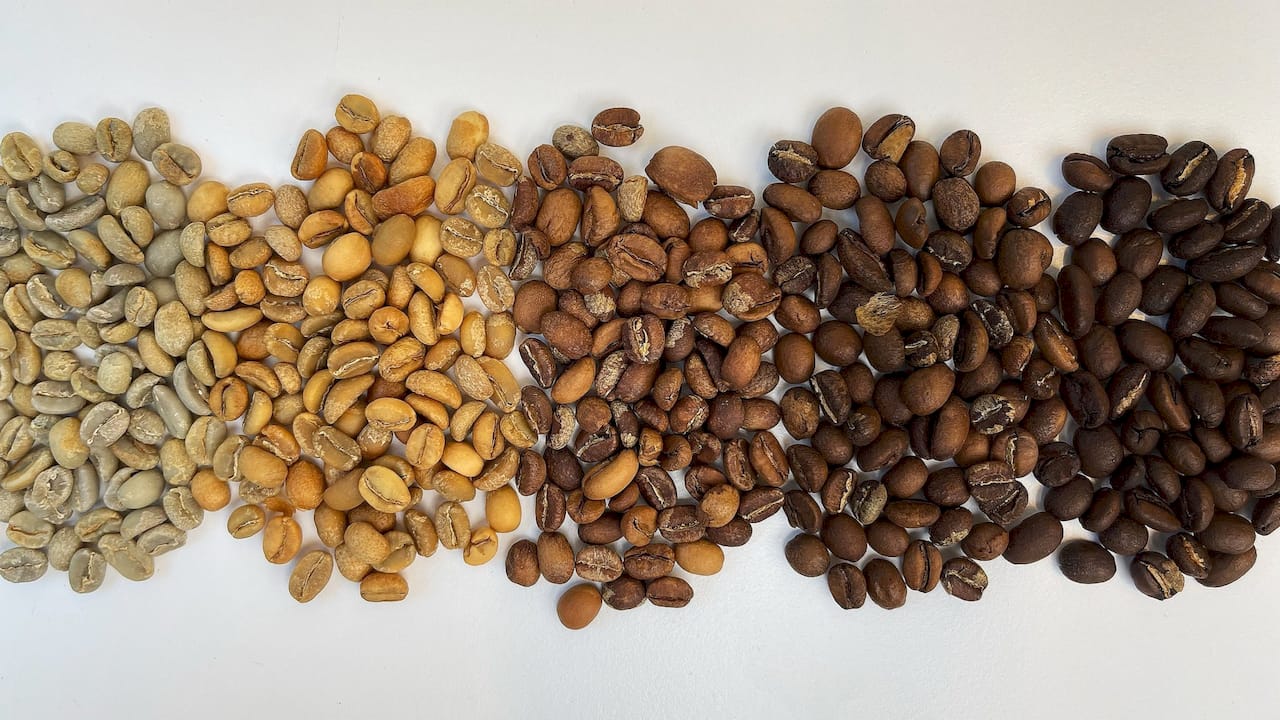
Coffee roasts are categorized by how far the beans are developed, marked by first and second crack stages. The first crack is an audible pop caused by steam pressure building inside the bean as moisture escapes. Stop roasting here and you have a light roast. Push further, and sugars caramelize more deeply. Push to the second crack, where cell walls fracture and oils migrate to the surface, and you’ve entered dark roast territory.
Here’s what shifts as you move through coffee roast levels:
-
Origin flavor fades as roast intensity increases. A light Ethiopian bean tastes like jasmine and peach. The same bean taken to a dark roast tastes like chocolate and smoke.
-
Acidity drops steadily from light to dark, as chlorogenic acids break down with heat.
-
Body generally increases from light to medium, then can thin slightly in very dark roasts as cell structures collapse.
-
Solubility increases with roast darkness, meaning dark roasts extract faster and can turn bitter quickly.
Your coffee bean types and flavors interact directly with roast level. A naturally sweet, low-acid bean from Brazil will behave differently at a medium roast than a high-acid Kenyan bean at the same temperature. Evaluating a roast means understanding both the bean’s origin character and what the heat does to it.
Light coffee roasts: preserving origin flavor and acidity
Light roasts are barely past the first crack, retaining most original bean characteristics with high acidity and floral or fruity notes. This is the roast level where the bean’s story is loudest. You taste where it was grown, how it was processed, and what the soil contributed.
Light roast characteristics worth knowing:
-
Flavor profile: Floral, fruity, tea-like, bright citrus
-
Acidity: High, sometimes intensely so
-
Body: Light to medium-light
-
Bean surface: Dry, no visible oils
-
Best brewing methods: Pour-over, Chemex, AeroPress with shorter steep times
Light roasts suit intentional brewing rituals precisely because they reward attention. When you slow down with a pour-over, you’re drawing out layered complexity that a fast brew would flatten. They’re also the most sustainable choice in one meaningful sense: they require less energy to produce and preserve the agricultural work that went into growing a distinct, terroir-driven bean.
One often-overlooked reality: light roasts are more sensitive to grind size and water temperature. Use water too hot, around 205°F and above, and you’ll extract bitter compounds early. Aim for 195 to 200°F and a medium-fine grind to pull the sweetness without the harsh edges.
Pro Tip: Consume light roasts within one to two weeks of the roast date. Their higher residual moisture and acidity mean they can go stale faster than darker roasts, losing the floral brightness that makes them worth choosing.
Medium coffee roasts: balancing sweetness and body
Having covered light roasts, medium roasts offer a harmonious balance of flavors and body that makes them the most broadly appealing category in specialty coffee. Medium roasts caramelize sugars further, mute acidity, and increase body while maintaining some origin character. They land comfortably between the first and second crack, where the bean opens up without losing its identity.
What makes medium roast coffee so versatile:
-
Flavor profile: Caramel, chocolate, toasted nuts, mild fruit
-
Acidity: Medium, noticeably lower than light roasts
-
Body: Fuller, rounder mouthfeel
-
Bean surface: Dry to slightly tacky
-
Best brewing methods: French press, drip, flat white, AeroPress with longer steep
Medium roasts are often where people enter specialty coffee and stay for years. That’s not a critique. A great medium roast bean from a quality source delivers consistency across brewing methods, which matters when you’re building a daily ritual. You don’t need to dial in your pour as precisely as you would with a light roast to get a satisfying, complex cup.
A nuance that most guides miss: the difference between a medium roast and a medium-dark roast can be enormous. “Medium” is one of the most loosely used terms in coffee labeling. Look for roasters who publish Agtron scores or roast dates, as that transparency tells you far more than a color label ever will.
Dark coffee roasts: embracing boldness and roast-derived flavors
With a clear picture of medium roasts, dark roasts deliver strong, roast-centric flavors favored by many enthusiasts who want intensity in every sip. Dark roasts begin second crack, show oils on bean surface, and shift flavor toward bitter and roasted notes with diminished origin character.
Dark roast characteristics at a glance:
-
Flavor profile: Bittersweet, smoky, dark chocolate, roasted grain
-
Acidity: Low
-
Body: Heavy, coating
-
Bean surface: Visibly oily, glossy sheen
-
Best brewing methods: Espresso, moka pot, milk-based drinks, cold brew
Dark roast does not mean stronger caffeine. It means the roast chemistry has taken center stage, replacing the bean’s geographic identity with the flavors of heat itself. That’s a trade, not an upgrade.
Dark roasts excel in espresso because the lower acidity and bold flavor cut through milk without turning metallic or sour. And medium-to-dark roasts handle cold brewing better, providing richer, bolder flavors and smoother tastes when steeped in cold water for 12 to 18 hours.
One practical adjustment most people skip: dark roasts extract faster than light ones due to their more porous cell structure. If you use the same grind size and brew time you’d use for a medium roast, you’ll over-extract and get bitterness. Go slightly coarser, reduce brew time, or lower water temperature to dial the cup back into balance. Explore whole bean coffee benefits to understand why grinding dark roasts fresh makes a pronounced difference.
Comparing coffee roasts: flavors, brewing, and sensory impact
To make your choice easier, here is a side-by-side comparison of roast types across the variables that matter most for intentional brewing.
| Roast level | Acidity | Body | Flavor profile | Best brewing method | Agtron range |
|---|---|---|---|---|---|
| Light | High | Light | Floral, fruity, tea-like | Pour-over, Chemex | 80–100 |
| Medium | Medium | Full | Caramel, chocolate, mild fruit | Drip, French press | 55–75 |
| Medium-dark | Low-medium | Full-heavy | Dark chocolate, roasted nuts | Espresso, French press | 45–55 |
| Dark | Low | Heavy | Smoky, bittersweet, roasted grain | Espresso, moka pot, cold brew | 25–45 |
The Agtron scale is an industry standard for measuring roast darkness, with lighter roasts scoring higher (~80–100) and darker roasts scoring lower (~25–45). Pairing an Agtron number with brew method gives you a reproducible starting point when you’re trying a new coffee.
Sensory notes worth tracking as you move through roast levels: bright coffees (light) tend to feel energizing and mentally sharp, while dark roasts feel grounding and physically warming. Neither is better. They serve different moments in a ritual.
Pro Tip: Use coffee cupping as a structured practice for comparing roasts side by side. Same water temperature, same steep time, same grind, different beans. This isolates roast as the variable and sharpens your palate faster than any other exercise.
How to choose the right coffee roast for your ritual and sustainability goals
Beyond flavor and brewing, your roast choice can reflect real values. Here’s a structured way to approach the decision:
-
Identify your flavor anchor. Do you want brightness and complexity? Go light. Approachable sweetness? Go medium. Depth and boldness? Go dark. Be honest about what you actually enjoy drinking, not what sounds most sophisticated.
-
Match to your primary brewing method. A dark roast in a pour-over is not wrong, but you’ll work against the grain. Align roast to method and your results improve immediately.
-
Consider freshness cycles. Light roasts peak early and fade fast. Dark roasts stabilize more quickly post-roast but also go stale. Buy in quantities that match your consumption rate.
-
Factor in sustainability. Blonde roast popularity in 2026 reflects a shift toward preserving natural bean flavors and enabling customizable, quality coffee rituals. Lighter roasting uses less energy and honors the agricultural craft behind each bean more directly.
-
Rotate intentionally. Use your brewing ritual as a space to explore. Commit to one roast for a month, learn it deeply, then shift. This builds palate and prevents the narrow thinking that comes from locking into one style.
Pro Tip: Keep a simple brew journal. Note the roast level, brewing method, grind size, and your sensory impressions. After a few months, patterns emerge that no amount of reading can replace.
A coffee lover’s truth: why embracing roast variety elevates your ritual
Most coffee drinkers find a roast they like and stay there for years. There’s comfort in that. But it quietly closes off a significant dimension of what coffee can offer as a daily ritual.
Switching roast levels effectively changes the sensory agenda of your brew because roast development alters bean chemistry and flavor compounds significantly. This isn’t a marginal difference in taste. It’s a fundamentally different cup. A light roast from Colombia and a dark roast from the same farm are, in sensory terms, nearly unrecognizable as the same origin.
The most common misconception: dark roast equals strong coffee. It doesn’t. It equals roast-dominant coffee. The origin flavors that reflect soil, altitude, and processing are largely burned away by second crack. What you’re tasting is the roast itself. That can be exactly what you want. But understanding that it’s a trade, not a hierarchy, changes how you approach the choice.
Intentional brewing means aligning every variable, including roast level, to your goal for that specific cup. A Monday morning espresso asks for something different than a Sunday afternoon pour-over. Treating roast as a dynamic choice rather than a fixed identity gives you that flexibility and makes each brewing session its own act of awareness.
The ritual depth available across coffee trends in 2026 and beyond is moving in this direction: away from brand loyalty and toward roast literacy. Drinkers who understand what each roast level offers, and why, bring something meaningful to their daily cup that goes far beyond preference. They brew with intention.
Explore our curated coffee roasts for every ritual
Ready to explore these roasts yourself? Here are some carefully selected options from Tri Crow Coffee to enhance your ritual.
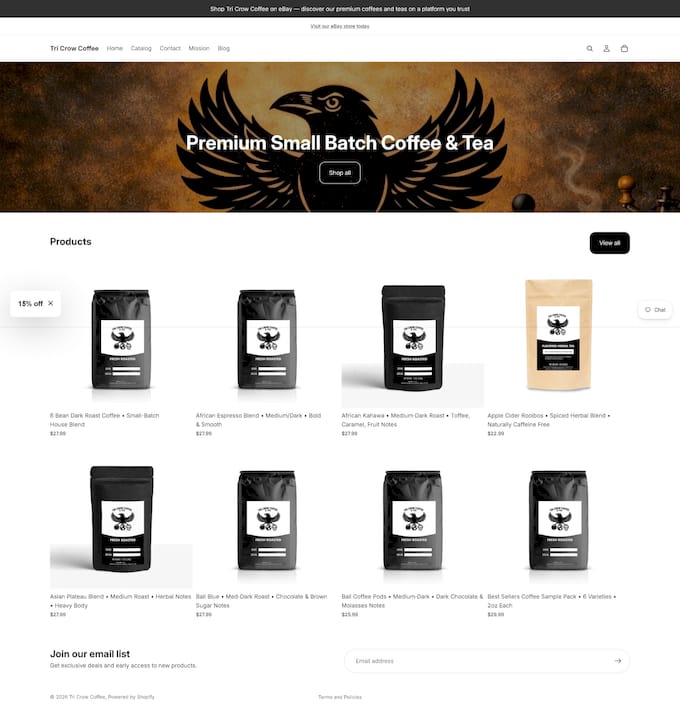
If bold and smoky is where your ritual lives, our French roast coffee delivers a deep, bittersweet cup built for espresso and dark mornings. Prefer something more balanced and grounding? Our medium roast coffee with mushrooms pairs earthy adaptogenic depth with caramel sweetness in a profile that rewards slow mornings and quiet attention. And for a sensory experience unlike any standard brew, our mint coarse grind coffee brings cooling aroma and bright flavor to your ritual in a way that feels genuinely ceremonial. Each blend is roasted in small batches, ethically sourced, and crafted to make your daily cup feel less like routine and more like intention.
Frequently asked questions
What happens during the first and second crack in coffee roasting?
The first crack marks expansion of the bean and signals light to medium roast territory, while the second crack is a deeper fracturing event where oils surface and dark roast development begins.
Does the roast level affect the caffeine content of coffee?
Light and dark roasts have virtually identical caffeine content; the “strength” you perceive comes from bitterness and roast flavor, not from a meaningful difference in caffeine.
Which roast is best for cold brew coffee?
Medium-to-dark roasts are recommended for cold brew, typically steeped 12 to 18 hours, because they provide richer, bolder flavors and extract more smoothly in cold water.
Why are light or blonde roasts gaining popularity in 2026?
Blonde roast coffee has been gaining ground because consumers want to taste natural bean flavors and customize their coffee experience in ways that darker roasts simply don’t allow.
How should I adjust my brewing when switching between roast levels?
Adjust your grind size, brew time, and water temperature when switching roasts, because darker roasts extract faster and have more oils than lighter roasts, which changes how they behave during extraction.
Recommended
-
Discover Coffee Bean Types, Flavor Profiles, and Origins – Tri Crow Coffee
-
What is coffee cupping and why it matters for your palate – Tri Crow Coffee
-
Explore coffee drink varieties for a richer daily ritual – Tri Crow Coffee
-
Coffee blends explained: Unlock balanced flavors and rituals – Tri Crow Coffee