
Standing in front of a wall of coffee bags, each one promising something extraordinary, can feel paralyzing. The truth is, choosing the right bean is not as simple as picking Arabica over Robusta. Flavor emerges from a layered conversation between species, growing region, postharvest processing, roast level, and how you actually brew it. Most people focus on the species label and stop there, missing the deeper story. This guide breaks down every major coffee bean type, what shapes their flavor, and how to match them to your brewing ritual.
Table of Contents
-
Comparison table: Flavor, processing, and brewing suitability
-
The overlooked factors: Why processing and taxonomy matter more than you think
Key Takeaways
| Point | Details |
|---|---|
| Flavor is multifactorial | Bean species and processing method both strongly influence coffee’s taste. |
| Arabica and Robusta dominate | Most coffees use Arabica or Robusta, but lesser-known beans offer unique profiles. |
| Processing matters most | Wet and dry processing change aroma, flavor, and quality as much as bean type. |
| Match bean to brew | Pairing bean types with brewing methods is key to achieving your preferred taste. |
| Experiment and explore | Sample packs and specialty blends make discovery easy—don’t be afraid to try new beans. |
How to evaluate coffee beans: Key criteria for enthusiasts
Before you can choose the right bean, you need a framework for thinking about what actually matters. Flavor and aroma in your cup are not born in the roaster alone. They begin in the soil, develop through the cherry’s growth cycle, and transform dramatically depending on what happens after harvest.
The key variables to consider when evaluating any bean are:
-
Species and type: Arabica, Robusta, Liberica, or Excelsa each carry distinct genetic flavor potential.
-
Variety or cultivar: Within Arabica alone, varieties like Gesha, Bourbon, and Typica taste remarkably different from one another.
-
Postharvest processing: Washed (wet), natural (dry), and honey processing each strip or retain different compounds that shape sweetness, acidity, and body.
-
Roast level: Light roasts preserve origin character; dark roasts emphasize roast-driven flavors like chocolate and caramel.
-
Brewing method: Certain beans shine in a French press and fall flat in espresso, and vice versa.
When selecting coffee beans, the most practical approach is to think in layers. As buying guides note, the real selection formula for enthusiasts becomes: species plus variety plus processing plus roast plus brewing method. Each layer narrows your path to a cup that actually satisfies you.
Pro Tip: Do not overlook processing method when reading a bag’s label. A naturally processed Arabica from Ethiopia will taste completely different from a washed Arabica grown in the same region, even if the species and farm are identical.
Now that you know what shapes taste, let’s break down each main bean type.
Arabica beans: The specialty favorite
Arabica (Coffea arabica) accounts for roughly 60 to 70 percent of the world’s coffee production and dominates the specialty coffee market for good reason. Its genetic complexity produces a wide spectrum of flavors that no other species quite matches.
Typical flavor notes found in quality Arabica include:
-
Floral and fruity: Jasmine, bergamot, stone fruit, and berries are common in Ethiopian and Kenyan origins.
-
Wine-like acidity: Bright, clean tartness that lifts the cup and keeps it interesting from first sip to last.
-
Sweetness and complexity: Brown sugar, honey, and citrus zest often appear in well-processed beans.
-
Delicate body: Arabica tends toward a lighter, silkier mouthfeel compared to Robusta.
Origin matters enormously here. An Ethiopian Yirgacheffe processed using the washed method delivers crisp floral notes and lemon acidity. The same region’s naturally processed beans taste like blueberries and dark chocolate. This is not marketing language. It reflects real chemical differences in how fermentation and drying affect the bean’s final compounds.
“Postharvest processing method substantially affects final cup outcomes, including flavor, aroma, and spoilage risk in specialty coffee production.”
Brazilian Arabica grown at lower elevations and processed using the natural (dry) method tends to be nutty, chocolatey, and low-acid, making it an excellent base for espresso blends. Contrast that with a Colombian washed Arabica, which often delivers caramel sweetness and bright citrus. Same species, radically different cups.
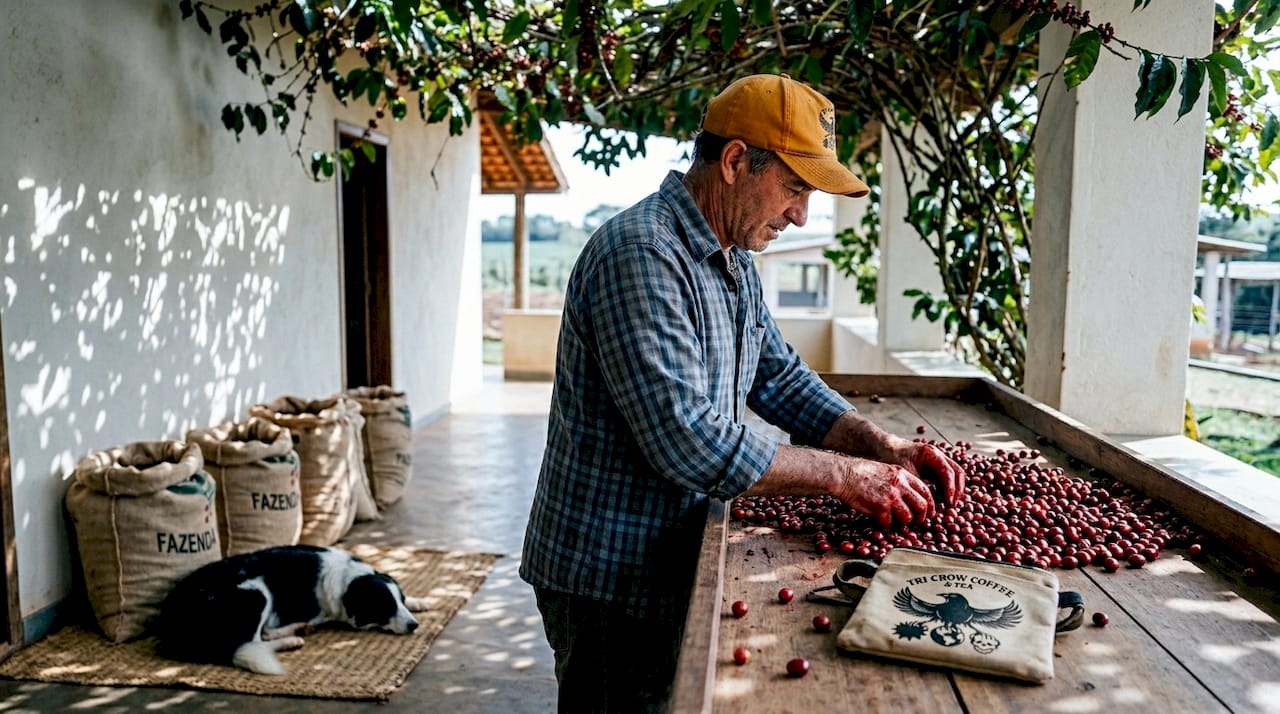
Arabica also pairs beautifully across a wide range of coffee drink varieties, from a delicate pour-over to a creamy latte. Its nuance holds up in lighter roasts and rewards those who pay attention to origin and processing details.
With Arabica covered, let’s compare it to the robust alternative.
Robusta beans: Bold flavor and crema potential
Robusta (Coffea canephora) gets underestimated. Many specialty coffee drinkers dismiss it outright, but that is a mistake rooted in outdated assumptions. High-quality, well-processed Robusta is a genuinely interesting bean with characteristics that Arabica simply cannot replicate.
Here is what defines Robusta:
-
Higher caffeine content: Robusta contains roughly twice the caffeine of Arabica, which also makes it more resistant to pests and disease.
-
Earthy, bold flavor: Expect dark chocolate, rubber, wood, and sometimes a pleasant bitterness that lingers on the palate.
-
Thick body and rich crema: Robusta’s higher lipid and protein content produces a denser crema in espresso, which is why Italian espresso roasters have used it in blends for generations.
-
Lower acidity: Compared to Arabica, Robusta sits at a lower pH, which some drinkers find easier on the stomach.
As brew method guides confirm, Robusta is frequently used in espresso blends specifically because of its body and crema potential. A blend of 80 percent Arabica and 20 percent Robusta is a classic Italian formula that produces a balanced shot with a persistent, golden crema layer.
Pro Tip: If your espresso shots feel thin or your crema collapses quickly, consider a blend that incorporates Robusta. Even a small percentage can dramatically improve texture and staying power in the cup.
Robusta also thrives in Vietnamese-style coffee, where it is brewed strong through a phin filter and served over sweetened condensed milk. The boldness of the bean stands up to the sweetness without disappearing. For those who want to experience Robusta in a specialty espresso context, Robusta espresso blends roasted with care offer a very different entry point than the commodity-grade Robusta in most grocery store cans.
Let’s look at less familiar bean types and their growing appeal.
Lesser-known beans: Liberica and Excelsa differences
Liberica and Excelsa occupy a fascinating, underexplored corner of the coffee world. They are rare, often misunderstood, and genuinely unlike anything you have tasted in a standard specialty coffee shop.
Liberica (Coffea liberica) grows in West Africa and parts of Southeast Asia, particularly the Philippines and Malaysia. Its flavor profile is unlike any other species:
-
Smoky, woody, and sometimes floral with a full, almost chewy body.
-
Notes of jackfruit and dark berry appear in well-grown lots.
-
The beans themselves are noticeably larger and more irregular in shape than Arabica or Robusta.
Excelsa (Coffea excelsa) was long classified as a variety of Liberica but is now treated as a distinct species by many researchers. It grows primarily in Southeast Asia and produces cups that are:
-
Tart, fruity, and surprisingly complex.
-
Often described as having both light and dark roast characteristics simultaneously.
-
Frequently used in blends to add intrigue and depth.
The taxonomy here is genuinely in flux. Genomic research supports splitting Coffea liberica into multiple distinct species lineages, which has real implications for how these beans are labeled, cultivated, and conserved. The familiar “four types” model taught in most coffee courses is already becoming outdated.
Sourcing Liberica and Excelsa is a challenge. Production volumes are low, supply chains are fragmented, and quality control varies widely. If you want to explore these rare varieties, Liberica and Excelsa options within curated sample packs are one of the most accessible ways to try them without committing to a full bag of something unfamiliar.
Having explored each type, let’s bring their traits together for comparison.
Comparison table: Flavor, processing, and brewing suitability
| Bean type | Flavor notes | Typical processing | Best brewing method | Key origins |
|---|---|---|---|---|
| Arabica | Floral, fruity, wine-like acidity | Washed or natural | Pour-over, drip, espresso | Ethiopia, Colombia, Kenya |
| Robusta | Earthy, bold, dark chocolate | Washed or natural | Espresso blends, drip | Vietnam, Uganda, India |
| Liberica | Smoky, woody, floral, full body | Natural | French press, drip | Philippines, Malaysia |
| Excelsa | Tart, fruity, complex | Natural | Blends, pour-over | Southeast Asia |
As postharvest research confirms, species alone does not determine cup quality. Processing method is equally decisive. A naturally processed Arabica and a washed Arabica from the same farm can score differently on a specialty cupping sheet simply because of how the cherry was handled after picking.
Here is a simple numbered process for choosing the right bean for your next brew:
-
Identify your brewing method first. Your equipment sets real constraints on what will taste good.
-
Choose a species that suits that method. Arabica for nuance, Robusta for body, Liberica or Excelsa for adventure.
-
Select a processing style. Washed for clarity and brightness, natural for sweetness and fruit complexity.
-
Pick a roast level. Light for origin character, medium for balance, dark for roast-forward depth.
-
Trace the origin. Knowing the farm or region tells you what flavor expectations are realistic.
For those curious about where their coffee comes from and why it matters, coffee sourcing transparency is a topic worth exploring in depth before your next purchase.
Let’s wrap up with how personal preferences and sourcing trends shape bean selection.
Choosing beans for your brew style
Matching your bean to your brewing method is one of the most practical skills a coffee enthusiast can develop. The wrong pairing does not ruin coffee, but the right one elevates it noticeably.
Here is how to think about the most common brewing methods:
-
Espresso: Arabica and Robusta blends work best. You need body, crema, and enough sweetness to balance the concentration. Single-origin Arabica can work beautifully in a well-dialed espresso, but it requires precision.
-
Pour-over and drip: Washed Arabica shines here. The clarity of the brew method lets delicate floral and fruity notes come forward without interference.
-
French press: Full-bodied beans like Liberica or naturally processed Arabica suit the immersion method well. The heavier brew style complements beans with more texture and weight.
-
Cold brew: Dark-roasted Robusta or natural Arabica from Brazil produces a smooth, chocolatey cold brew that holds up well over ice without becoming bitter.
As brew method selection guides consistently show, matching species and processing to your method is the single biggest lever you can pull for improving cup quality at home.
Ethical sourcing is another dimension worth taking seriously. Beans with direct trade or certified relationships between roaster and farmer tend to be fresher, better processed, and more traceable. These factors directly affect what ends up in your cup. For home brewing flavor tips that go beyond bean selection into technique, there is always more to learn.
Pro Tip: If you are new to exploring bean diversity, a sample pack selection is the smartest investment you can make. Tasting multiple origins and processing styles side by side trains your palate faster than any amount of reading.
To personalize your exploration, let’s share a fresh perspective you won’t hear elsewhere.
The overlooked factors: Why processing and taxonomy matter more than you think
Most coffee guides spend 80 percent of their time on species and roast, then mention processing as an afterthought. We think that is backwards. The species of a bean sets a ceiling on potential flavor. Processing determines how much of that potential actually makes it into your cup.
The evidence is clear. Postharvest processing substantially affects final cup outcomes, including flavor, aroma, body, and even spoilage risk. A poorly fermented natural process can ruin an otherwise exceptional Arabica lot. A beautifully executed washed process can reveal floral notes in a bean that would otherwise taste flat.
The taxonomy issue is equally important and almost completely ignored in popular coffee writing. The comfortable “four types” model is already being revised. Genomic research is splitting Coffea liberica into multiple distinct species, which changes how we understand flavor potential, cultivation needs, and conservation priorities. The beans labeled “Liberica” in your local specialty shop may represent genetically distinct plants with meaningfully different cup profiles.
What this means practically is that bean selection wisdom needs to evolve beyond the species checklist. Ask your roaster about processing. Ask about the specific variety, not just the species. Ask whether the lot was hand-sorted and how it was dried. These questions separate enthusiasts from casual drinkers, and the answers will dramatically improve your ability to find coffees you love.
The most exciting coffees we have encountered did not come from chasing famous species names. They came from unexpected origins and unconventional processing styles that nobody was talking about yet.
Explore unique coffee beans and specialty blends
Knowing the difference between bean types is one thing. Tasting those differences side by side is where real understanding begins.
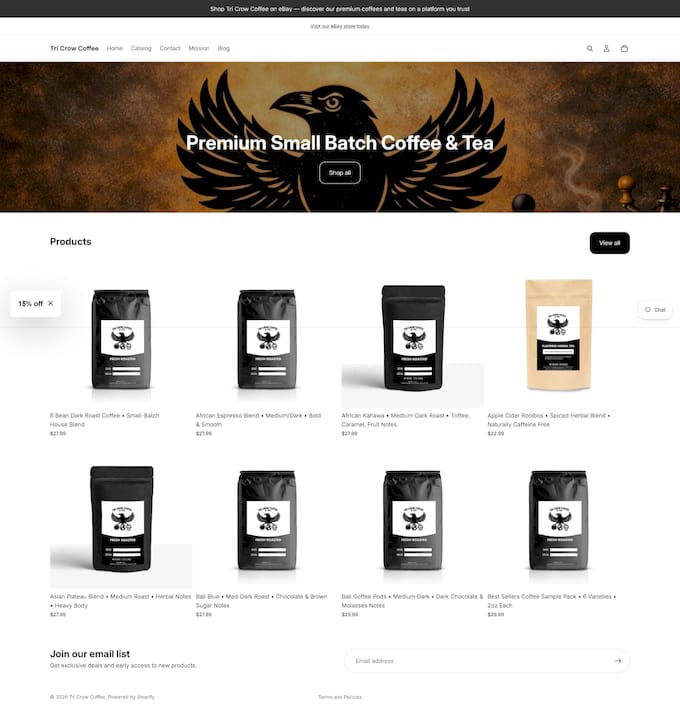
At Tri Crow Coffee, we make that exploration easy. Our single origin sample pack lets you compare distinct origins and processing styles without committing to a full bag of something unfamiliar. Each small-batch roast is crafted to highlight what makes that origin genuinely different. For those curious about functional blends, our mushroom coffee medium roast combines quality Arabica with adaptogenic mushrooms for a brew that goes beyond flavor. And if convenience matters without sacrificing quality, our instant coffee options are roasted and prepared with the same intentional sourcing as every other blend we offer.
Frequently asked questions
What are the main types of coffee beans and their differences?
The four main types are Arabica, Robusta, Liberica, and Excelsa, each differing in flavor, caffeine content, and processing behavior. Genomic research is actively refining how Liberica and Excelsa are classified, so the traditional four-type model is already evolving.
How does processing method affect coffee flavor?
Washed processing produces cleaner, brighter cups while natural processing adds sweetness and fruit complexity. Postharvest processing substantially affects final cup outcomes, meaning two beans from the same farm can taste completely different based on how they were handled after harvest.
Which coffee bean is best for espresso and which for pour-over?
Robusta is favored for espresso because of its body and crema potential, while washed Arabica is preferred for pour-over due to its nuanced, delicate flavors. Brew method guides consistently tie species selection to brewing technique for best results.
Are there health benefits to choosing certain coffee beans?
Some specialty blends like mushroom coffee incorporate adaptogenic ingredients that may offer additional functional benefits, but flavor, freshness, and ethical sourcing remain the primary selection factors for most enthusiasts.
How can I try different coffee bean types easily?
Sample packs are the most practical way to explore multiple bean types, origins, and processing styles side by side without committing to large quantities of any single coffee.