
Getting consistently great filter coffee at home is less about luck and more about understanding what actually happens inside that brewer. The filter coffee process controls everything you taste: clarity, sweetness, body, and balance. Whether you’re drawn to the slow ritual of a South Indian decoction or the precision of a modern pour-over, the mechanics underneath are the same. Master those mechanics, and every cup becomes intentional. This guide walks you through the tools, steps, troubleshooting, and personalization techniques that separate a forgettable brew from one you’ll want to replicate every morning.
Table of Contents
Key takeaways
| Point | Details |
|---|---|
| Temperature and ratio matter | Brew between 195°F and 205°F with a 1:16 coffee-to-water ratio for balanced extraction. |
| Grind size drives flavor | A medium-fine burr grind brewed fresh produces cleaner, more complex cups than pre-ground coffee. |
| Bloom before you brew | Pour twice the coffee weight in water, wait 30 to 45 seconds, then continue for even extraction. |
| Filter type shapes your cup | Paper filters produce bright, clean cups while metal filters add body and mouthfeel. |
| Troubleshoot by taste | Sour means under-extracted; bitter means over-extracted. Adjust grind size before changing anything else. |
The filter coffee process starts with the right tools
You cannot outbrew bad equipment. The tools you use before water ever touches coffee determine most of what ends up in your cup.
Grinders, kettles, and brewers
A burr grinder produces uniform particle size, which is what separates balanced extraction from the bitter-sour mess you get from a blade grinder. Blade grinders chop unevenly, leaving some particles too fine and others too coarse. The result is a cup that tastes simultaneously over and under-extracted. If you invest in one upgrade, make it the grinder.
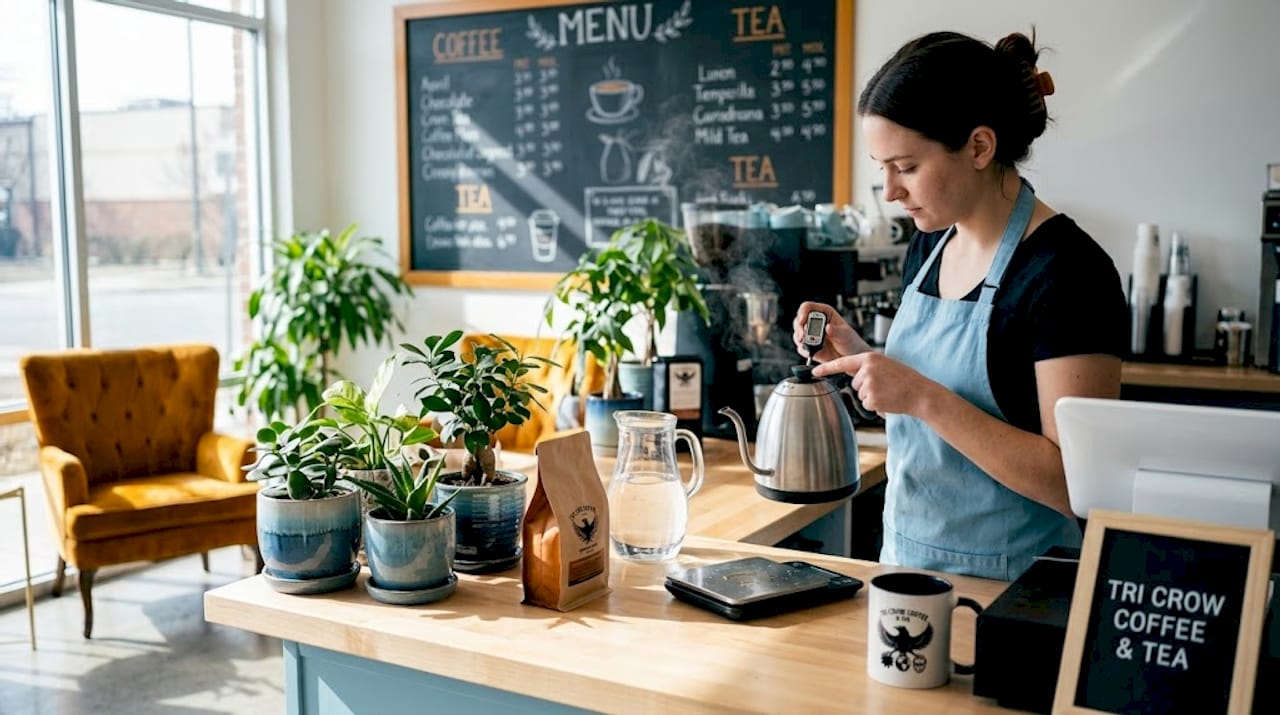
For kettles, a gooseneck style gives you flow rate control that a standard kettle simply cannot match. That control matters most during the bloom phase and the early pours. Brewer-wise, your main options are pour-over cones (Hario V60, Chemex, Kalita Wave), a traditional South Indian metal filter, or an automatic drip machine. Each rewards a slightly different approach, but the underlying filter coffee extraction process is the same.
Filter types and their impact
| Filter Type | Flavor Profile | Body | Best For |
|---|---|---|---|
| Paper (bleached) | Bright, clean, no sediment | Light | Clarity-focused brewing |
| Paper (unbleached) | Clean with slight earthiness | Light to medium | Natural, eco-conscious brewing |
| Metal mesh | Rich, full-bodied, oily | Full | Mouthfeel and texture lovers |
| Cloth (flannel) | Smooth, nuanced, no sediment | Medium to full | South Indian decoction style |
Paper filters remove coffee oils and the diterpenes linked to cholesterol, producing brighter and cleaner cups. Metal filters let those oils through, which creates a fuller mouthfeel but a less transparent flavor. Neither is wrong. They are just different tools for different goals.
Pro Tip: Always rinse your paper filter with hot water before adding coffee grounds. This removes the papery taste and preheats the brewer, which stabilizes your extraction temperature from the first pour.
Beans and water
Grinding just before brewing to a medium-fine consistency, roughly the texture of table salt, preserves the volatile compounds that give your coffee its aroma and complexity. Pre-ground coffee loses those compounds within hours of opening the bag. For bean selection, freshness beats origin every time. Check your bean selection choices carefully; roast date matters more than most people realize.
Water quality is frequently overlooked. Filtered water between 195°F and 205°F is the target range. Below that, extraction is slow and weak. Above it, you risk scorching the grounds and pulling harsh bitter notes.
Step-by-step filter coffee brewing methods

Both pour-over and South Indian filter coffee reward attention to detail, but the workflows are quite different. Here is how to execute each one correctly.
Pour-over brewing steps
-
Measure 20 grams of whole bean coffee for 320 milliliters of water (a 1:16 ratio).
-
Grind to medium-fine and place in your rinsed filter cone.
-
Start your timer and pour 40 milliliters of water (twice the coffee weight) evenly over the grounds.
-
Wait 30 to 45 seconds for the bloom to release CO2, which prevents uneven extraction and astringency.
-
Pour the remaining water in slow, steady spirals, keeping the water level consistent without drowning the grounds.
-
Target a total brew time of 2 minutes 30 seconds to 3 minutes 30 seconds.
-
Remove the filter, swirl the cup once, and taste before adding anything.
The bloom phase is not optional. CO2 trapped in fresh coffee repels water. Skip the bloom and you get uneven saturation, which means some grounds over-extract while others barely get wet.
South Indian filter coffee workflow
The South Indian method uses a metal filter with two stacked chambers. The upper chamber holds the grounds; the lower collects the decoction. The process is slower and the output is more concentrated.
-
Add 3 to 4 tablespoons of finely ground coffee (often a blend of Arabica and Robusta) to the upper chamber.
-
Press the grounds gently with the pressing disc without packing too tightly.
-
Pour hot water (around 200°F) over the grounds slowly until the chamber is full.
-
Cover and let the decoction drip for 10 to 20 minutes. Do not rush it.
-
Use one-third to one-half cup of decoction per serving, then top with hot, frothy milk.
-
Add sugar to taste and mix by pouring between two cups from height, which creates the signature froth.
| Method | Grind Size | Brew Time | Ratio | Serve Style |
|---|---|---|---|---|
| Pour-over | Medium-fine | 2:30 to 3:30 min | 1:16 | Black or with milk |
| South Indian filter | Fine | 10 to 20 min | 1:5 to 1:8 (decoction) | Mixed with milk and sugar |
The thick, slower-brewed decoction rewards patience in a way that pour-over does not. You cannot speed it up without compromising richness.
Troubleshooting your brew for better taste
Most filter coffee problems trace back to one of three variables: grind size, water temperature, or pour technique. Taste your cup before adjusting anything, because the flavor tells you exactly what went wrong.
| Taste Symptom | Likely Cause | Fix |
|---|---|---|
| Sour, sharp, thin | Under-extraction (too fast) | Grind finer or slow your pour |
| Bitter, harsh, dry | Over-extraction (too slow) | Grind coarser or reduce brew time |
| Weak, watery | Too little coffee or too high a ratio | Increase dose or tighten ratio to 1:14 |
| Flat, papery | Unrinsed filter or stale beans | Rinse filter, use fresher coffee |
| Astringent, chalky | Skipped bloom or water too hot | Add bloom step, lower temperature |
Adjusting grind size is almost always the first fix to try. If your brew drains too fast and tastes sour, go finer. If it drains too slow and tastes bitter, go coarser. Brew time is a direct reflection of grind consistency, and 2:30 to 3:30 minutes is the reliable window for pour-over.
Water temperature follows grind as the second variable to address. Brewing below 195°F underpowers extraction even with a perfect grind. And staleness is a silent killer. No amount of technique recovers the flavor that leaves ground coffee within the first few days after opening.
Pro Tip: Keep a small notebook next to your brewer and record grind setting, dose, water temperature, and brew time for every session. When you hit a cup you love, you will know exactly how to repeat it.
Enhancing and personalizing your filter coffee
Once your process is consistent, you can start steering flavor intentionally rather than just correcting problems.
Here are the adjustments that make the biggest difference:
-
Blend Arabica and Robusta. Arabica brings sweetness, fruit, and clarity. Robusta adds body, crema, and a slight earthy punch. South Indian filter coffee traditionally leans on this blend. Explore balanced blend combinations to find your preferred ratio.
-
Tighten the coffee-to-water ratio for more body. Moving from 1:16 to 1:14 produces a noticeably denser, more textured cup without changing anything else.
-
Switch filter materials deliberately. The filter choice trade-off between clarity and body is one of the most underappreciated variables in home brewing. Try a metal filter for one week and compare notes against paper.
-
Use whole milk for South Indian style. The fat content in whole milk softens the decoction’s intensity and creates a naturally sweet, creamy texture that skim milk cannot replicate. Oat milk works well if you want dairy-free with body.
-
Froth the milk. Traditional South Indian preparation involves pouring milk from a height to create a natural foam. A simple milk frother achieves the same effect and changes the mouthfeel noticeably.
-
Rest your beans 7 to 10 days post-roast. Freshly roasted coffee is gassy and brews unevenly. A short resting period after the roast date produces a more stable, cleaner extraction.
Pour-over brewing’s manual control and affordability make it one of the most accessible paths to cafe-quality coffee at home. The personalization ceiling is high, and the cost of entry is low.
What I’ve learned from years at the brewer
The moment that genuinely changed my brewing was not buying better equipment. It was starting to measure everything.
I spent a long time brewing by feel, adding coffee “until it looked right” and pouring water without timing anything. The cups were inconsistent in ways I could not explain or fix. The first time I used a scale and a timer together, I realized how much variation I had been tolerating as “just how coffee is.” It was not. It was just imprecise process.
The South Indian filter taught me something different: patience as a brewing variable. That decoction cannot be rushed. The 15 minutes it takes to drip is not dead time. It is part of the ritual, and that rhythm changes how you experience the cup. I think a lot of home brewers skip traditional methods because they feel slow, but the slowness is the point. Understanding the coffee blooming phase was another piece that clicked late for me, much later than it should have.
My honest opinion: filter coffee offers a kind of flavor transparency that espresso does not. There is nowhere to hide. A bad bean tastes bad. A great one tastes extraordinary. That accountability is what I love about it, and it is what keeps me dialing in my home brewing workflow rather than reaching for a pod machine.
— David
Explore Tricrowcoffee’s brews for filter coffee
If you have the process dialed in, the next variable worth exploring is the coffee itself.
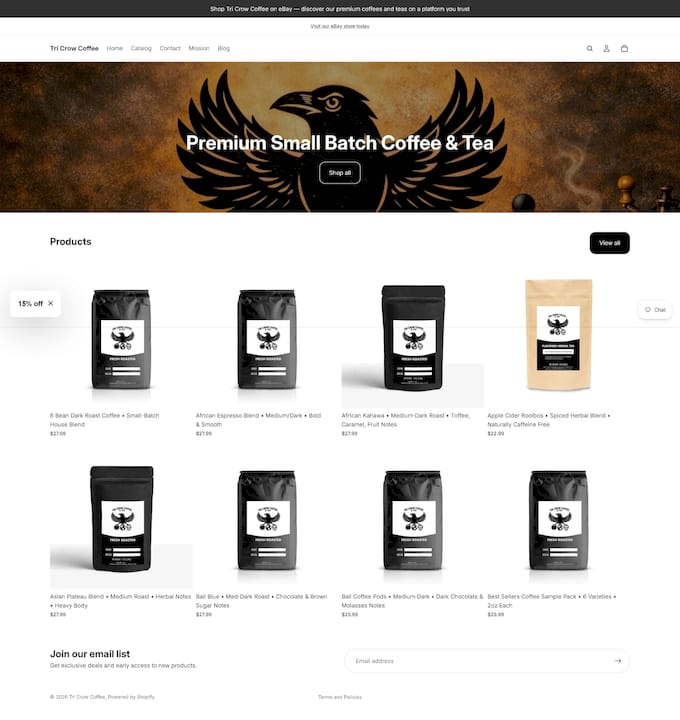
At Tricrowcoffee, every blend is roasted in small batches specifically to preserve the nuance that filter brewing reveals. The Mint Coffee blend is a natural match for pour-over: its brightness and clarity come through cleanly without a metal filter getting in the way. For South Indian style or anyone who prefers a bold, full-bodied decoction, the French Roast delivers the depth and roasted character that holds up beautifully against steamed milk. Both are available in limited quantities, roasted to order, and built for brewers who care about what is in their cup.
FAQ
What is the ideal temperature for filter coffee brewing?
Brew between 195°F and 205°F for balanced extraction. Water below this range under-extracts and produces weak, sour cups.
How long should the filter coffee process take?
Pour-over should complete in 2 minutes 30 seconds to 3 minutes 30 seconds. South Indian filter coffee decoction takes 10 to 20 minutes due to the finer grind and slower drip through a metal chamber.
Why does my filter coffee taste bitter?
Bitterness signals over-extraction. The most common causes are a grind that is too fine, water that is too hot, or a brew time that ran too long. Try grinding coarser first before adjusting other variables.
Does the bloom phase really matter?
Yes. The bloom releases trapped CO2 from fresh coffee grounds. Skipping it leads to uneven water saturation and astringency in the final cup. Pour twice the coffee weight in water and wait 30 to 45 seconds before continuing.
What is the best grind size for filter coffee?
Medium-fine, roughly the texture of table salt, works well for most filter coffee brewing methods. South Indian filter coffee uses a slightly finer grind to slow extraction and build a concentrated decoction.