
Most people drink their morning coffee or afternoon tea without giving a second thought to what’s on the plate beside it. That’s a missed opportunity. Thoughtful coffee and tea pairing ideas can turn an ordinary brew into something genuinely memorable, amplifying flavor notes you’d otherwise miss entirely. The right food doesn’t compete with your cup. It completes it. Whether you’re sipping a bright Ethiopian pour-over or a smoky Assam black tea, the food alongside it can make both taste more like themselves.
Table of Contents
- Key takeaways
- 1. The core principles behind great coffee and tea pairing ideas
- 2. Top coffee pairings by roast level
- 3. Creative tea pairing ideas across every variety
- 4. Quick-reference pairing table
- 5. How to run a tasting and apply pairings to daily rituals
- My take on pairing: trust the surprise
- Discover Tri Crow Coffee’s blends built for pairing
- FAQ
Key takeaways
| Point | Details |
|---|---|
| Match intensity first | Pair light, delicate beverages with subtle foods and bold roasts with rich, fatty, or savory dishes. |
| Use flavor bridging | Shared aromatic compounds between drink and food create sensory harmony that amplifies both. |
| Adjust your brew | Changing steeping time or grind size shifts tannins and flavor, directly affecting pairing success. |
| Cultural pairings work | Traditional combinations like masala chai with fried snacks or Earl Grey with shortbread exist for good reason. |
| Rules are starting points | Personal preference and experimentation matter more than any rigid pairing formula. |
1. The core principles behind great coffee and tea pairing ideas
Before you reach for a snack to go with your cup, it helps to understand what makes a pairing work. There are three principles that cover most of the territory.
Intensity matching is the foundation. Light-bodied, acidic coffees pair best with citrusy or delicate foods, while dark, bold roasts call for something equally rich. The same holds for tea. A delicate white tea gets lost next to a heavily spiced dish, but it sings alongside mild cheese or a lightly sweetened pastry.
Flavor bridging is where pairing gets genuinely interesting. When a drink and a food share dominant aromatic compounds, they reinforce each other. Jasmine tea with jasmine-scented foods is a textbook example. Hojicha’s roasted, caramel-like notes find an obvious partner in nutty confections. You’re not just eating and drinking at the same time. You’re stacking the same flavor twice, and it reads as harmony.
Contrast pairing works differently but just as well. A bright, acidic coffee can cut through the fat of a rich cheese. A tannic black tea can cleanse your palate between bites of a buttery pastry. Neither beverage nor food changes. They just make each other more vivid.
- Start with intensity matching before considering anything else
- Use tannin as a palate cleanser when pairing with fatty or creamy foods
- Look for shared flavor notes as a quick shortcut to a successful pairing
- Trust contrast when a food feels too heavy on its own
Pro Tip: Before your first sip with food, taste the beverage alone and identify two or three dominant flavor notes. Then look for a food that either shares one of those notes or creates an interesting contrast. That’s all the framework you need.
2. Top coffee pairings by roast level
Light roasts are acidic, floral, and often fruit-forward. That makes them natural partners for desserts built around citrus or berries. An Ethiopian pour-over alongside lemon meringue pie is a classic for a reason. The acidity in both lifts the other, and the floral notes in the coffee play off the tartness of the lemon curd. Fruit-infused chocolates also work well with light roasts, where a raspberry or orange filling echoes the coffee’s brightness without overwriting it.
Medium roasts tend toward balance. Nutty, caramel, and chocolate notes make them forgiving and highly versatile. Colombian drip coffee alongside pecan pie or salted caramel brownies is about as reliably satisfying as pairings get. The caramel in the food mirrors the coffee’s natural sweetness, while the slight bitterness of the roast keeps the whole thing from cloying.
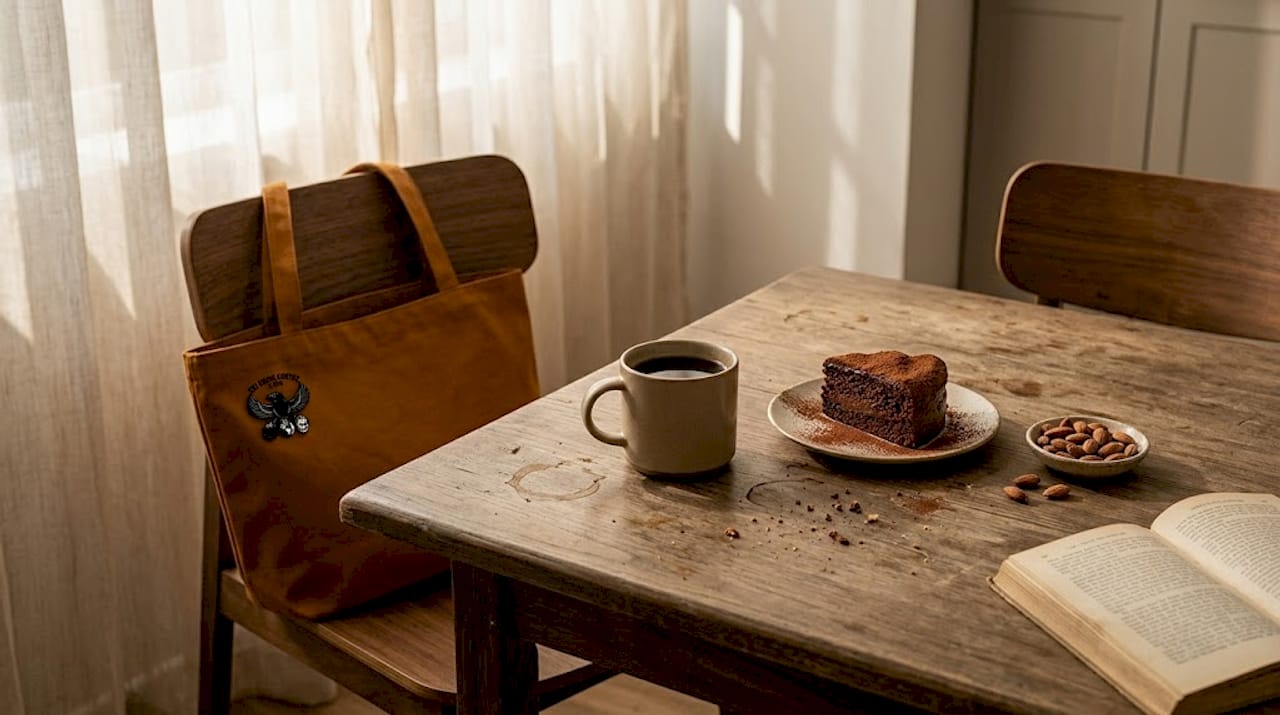
Dark roasts are bolder and often carry notes of smoke, dark chocolate, and dried fruit. Espresso paired with 70%+ dark chocolate is the most well-known example, and it earns its reputation. The bitterness compounds reinforce each other in a way that feels complete rather than harsh. Aged cheeses like Manchego or Gouda work surprisingly well here too. Their concentrated fat content softens the roast’s intensity.
Cold brew deserves its own category. Because the brewing process produces less acidity, cold brew has a natural sweetness and roundness that pairs beautifully with creamy desserts. Panna cotta alongside cold brew is a pairing worth trying. The silky texture of both creates a unified mouthfeel that feels intentional.
Even recognizable commercial blends can guide your pairing instincts. Unexpected pairings enhance flavor perception in real ways. A medium-dark blend with earthy, woody notes finds a surprising match in ripe Brie, where the creaminess rounds out any rougher edges in the roast.
The brewing method changes everything too. A Chemex produces a clean, bright cup that reads differently than the same beans in a French press. The French press leaves more oils in the cup, which softens acidity and adds body. When you pair coffee with food, consider how your brewing method affects flavor before you decide what to eat alongside it.
3. Creative tea pairing ideas across every variety
Tea’s range is wider than coffee’s, which means the pairing possibilities are genuinely vast. The challenge is understanding which part of a tea’s profile to build from.
White and green teas are delicate. They have subtle floral, grassy, or lightly sweet notes that disappear next to anything too assertive. Pair them with mild goat cheese, rice crackers, cucumber sandwiches, or a plain shortbread. If you want to go further, matcha has a grassy bitterness that pairs well with light, clean foods like edamame, white chocolate, or mochi. The key is restraint on the food side.
Oolong and roasted teas sit in a fascinating middle territory. Hojicha, a Japanese roasted green tea, develops nutty, toasty, and caramelized notes through high-heat processing. Those roasted notes pair naturally with sesame candies, chestnut pastries, or anything with a caramel base. A lightly oxidized oolong with stone fruit or honey notes works well beside a slice of peach cake or a honey-drizzled brie.
Strong black teas like Assam or Darjeeling carry tannins that need something to push against. Masala chai with fried street snacks, a pairing common across South Asia, works because the fat and spice in the food balance the tea’s astringency. Add milk to your black tea and the calculus shifts. Milk proteins bind to tannins, softening the cup and making it more compatible with buttery, creamy foods. Earl Grey with a classic shortbread biscuit is proof that simple cultural pairings often reflect real sensory logic.
Herbal tisanes follow their own rules. Hibiscus is tart and bright. It pairs well with fruit tarts, citrus bars, or anything with a tangy edge. Chamomile’s honey-like softness suits a plain almond cake or lavender cookies. Peppermint tisane cuts through chocolate surprisingly well.
- White and green: mild cheeses, light pastries, delicate savories
- Oolong and hojicha: nutty sweets, caramelized desserts, stone fruit
- Black teas: spiced or fatty dishes, aged cheese, milk-based treats
- Herbal and floral tisanes: fruit desserts, light sweets, dark chocolate
Pro Tip: Brewing strength matters as much as tea variety. Heavily brewed Assam has significantly more tannin than a lightly steeped cup and will need a richer food pairing as a result. When in doubt, brew lighter and adjust from there.
4. Quick-reference pairing table
| Beverage | Flavor profile | Best food pairings | Strategy |
|---|---|---|---|
| Light roast coffee | Bright, acidic, floral, fruity | Lemon meringue, berry tarts, fruit chocolate | Complement acidity with citrus or brightness |
| Medium roast coffee | Nutty, caramel, balanced | Pecan pie, salted caramel brownies, hazelnut pastry | Mirror caramel and nutty notes |
| Dark roast / espresso | Bold, smoky, dark chocolate | 70%+ dark chocolate, aged Gouda, smoked meats | Reinforce bitterness, cut with fat |
| Cold brew | Smooth, sweet, low-acid | Panna cotta, vanilla cream, milk-based desserts | Match texture and sweetness |
| White / green tea | Delicate, floral, grassy | Mild cheese, rice crackers, mochi, light pastries | Keep food subtle; avoid overpowering |
| Oolong / hojicha | Roasted, nutty, caramelized | Sesame candy, chestnut cake, honey-drizzled cheese | Bridge shared roasted notes |
| Black tea (with milk) | Malty, creamy, softened tannins | Shortbread, scones, buttery pastries | Milk cuts tannins; match richness |
| Herbal / hibiscus | Tart, floral, caffeine-free | Fruit tarts, citrus bars, dark chocolate | Use tartness as contrast or complement |
One underrated option worth exploring: roasted barley tea. It develops nutty, earthy notes through Maillard reactions, the same chemical process that creates flavor in coffee roasting. It’s caffeine-free, has a smooth mouthfeel, and pairs well with the same foods you’d reach for with a medium-dark coffee. If someone at your table doesn’t drink coffee or caffeinated tea, barley tea belongs on the pairing menu.
5. How to run a tasting and apply pairings to daily rituals
You don’t need a formal setup to run a good tasting. You need a few cups, some snacks, and an intention to pay attention.
- Choose two or three beverages with distinct profiles. A light roast, a dark roast, and one tea gives you useful contrast.
- Arrange food from delicate to intense. Start with mild cheese or a plain cracker. Move toward richer, bolder items.
- Taste the beverage first on its own. Identify what you notice before any food enters the picture.
- Take a bite, chew fully, then sip. Notice what changes. Does the coffee taste brighter? Does the food taste sweeter?
- Clear your palate with water between combinations. Ordering from light to strong prevents palate fatigue and keeps your perception accurate.
For daily rituals, the time of day offers a natural pairing guide. Morning calls for something bright and energizing. A light roast with a citrus pastry is a natural fit. Mid-afternoon is ideal for a black tea with a cookie or scone. The slight bitterness and malt balance the sweetness in a way coffee sometimes doesn’t. Evening, when you want something less stimulating, is when herbal tisanes or a custom tea blend with a small piece of dark chocolate can become a genuine ritual rather than just a drink.
Pro Tip: Professional tasters slurp to aerate the liquid across the full palate. It sounds impolite, but it genuinely reveals flavor notes that quiet sipping won’t. Try it once in private and notice the difference.
My take on pairing: trust the surprise
I’ve spent a lot of time learning pairing principles. Intensity matching, tannin management, flavor bridging. I can walk through the logic of almost any combination and explain why it should work on paper.
But the pairings I remember most vividly were the surprises. A smoky dark roast alongside a wedge of sharp blue cheese that I tried mostly as a joke, fully expecting it to be a disaster. It wasn’t. The fat in the cheese mellowed the roast’s bite in a way that felt almost orchestrated.
What I’ve found is that the principles are a launching pad, not a destination. Once you understand why a pairing works, you can start breaking the rules intelligently. You stop being afraid of a combination just because it sounds unusual.
The other thing I’d push back on: treating pairing as performance. Some coffee and tea enthusiasts turn tastings into a show of expertise. That kills the whole point. Pairing is a practice of attention, not authority. When you slow down and notice what a sip of hojicha does to the next bite of chestnut cake, you’re practicing something closer to mindfulness than gastronomy.
Be adventurous. Pair your morning brew with something you’d never normally consider. Let it be wrong sometimes. The failures are actually where the learning happens fastest.
— David
Discover Tri Crow Coffee’s blends built for pairing
If you want to explore pairing seriously, the quality of your base ingredient matters. Tri Crow Coffee crafts small-batch blends with enough character to stand up to food without overwhelming it.
The Mint Coffee brings a bold, layered profile that holds its own against rich, savory pairings. The Coffee with Mushrooms Medium Roast offers earthy umami depth that pairs remarkably well with aged cheese, roasted nuts, and dark chocolate. On the tea side, the Hibiscus Berry Tea delivers a tart, vibrant base that pairs beautifully with fruit-forward desserts or a square of good dark chocolate. Every Tri Crow blend is roasted in limited batches, so you’re working with fresh, expressive ingredients every time you sit down to experiment.
FAQ
What are the best foods to pair with dark roast coffee?
Bold dark roasts pair best with 70%+ dark chocolate, aged cheeses like Gouda or Manchego, and rich savory dishes. The high fat content in these foods softens the roast’s intensity while amplifying its deeper notes.
How do I start pairing tea with food if I’m a beginner?
Follow the match weight to weight principle: light teas with delicate foods, strong teas with rich or spiced dishes. Earl Grey with shortbread or chamomile with plain almond cake are low-risk starting points.
Does brewing strength change what food I should pair with tea?
Yes. Heavily brewed black tea contains significantly more tannin than a lighter steep, which means it needs richer, fattier foods to balance it. Always taste your brew before deciding on a food pairing.
Can coffee and tea be combined directly in a drink?
Yes. Roasted barley tea, for example, shares Maillard-driven nutty notes with coffee and can be blended or served alongside coffee-style pairings. True coffee-tea blends also exist and work especially well in cold or milk-based preparations.
What’s the most underrated coffee and tea pairing idea?
Cold brew with panna cotta is consistently underrated. The low-acid sweetness of cold brew and the silky texture of the cream dessert create a mouthfeel combination that feels more intentional than almost any other pairing on this list.