
TL;DR:
- Small batch roasting involves limited quantities, allowing for precise control over flavor and freshness. This practice enhances flavor complexity, preserves aromatic compounds, and enables ethical sourcing through direct farm relationships. Consequently, small batch coffee offers superior taste, quicker delivery, and higher transparency compared to mass-produced alternatives.
Small batch roasting is defined as the practice of roasting coffee in limited quantities, typically under 15 kilograms per cycle, to maximize control over flavor development, freshness, and bean quality. The advantages of small batch coffee extend well beyond taste: they include tighter quality control, ethical sourcing practices, and a direct connection between roaster and origin. Scientific research confirms that volatile aromatic biomarkers like pyrazines, furans, and thiols are easier to monitor and optimize in smaller roasting environments. Brands like Tri Crow Coffee and FB Roasters have built their reputations on exactly this principle. When you choose small batch, you are choosing coffee roasted with intention.
1. Advantages of small batch coffee: flavor you can actually taste
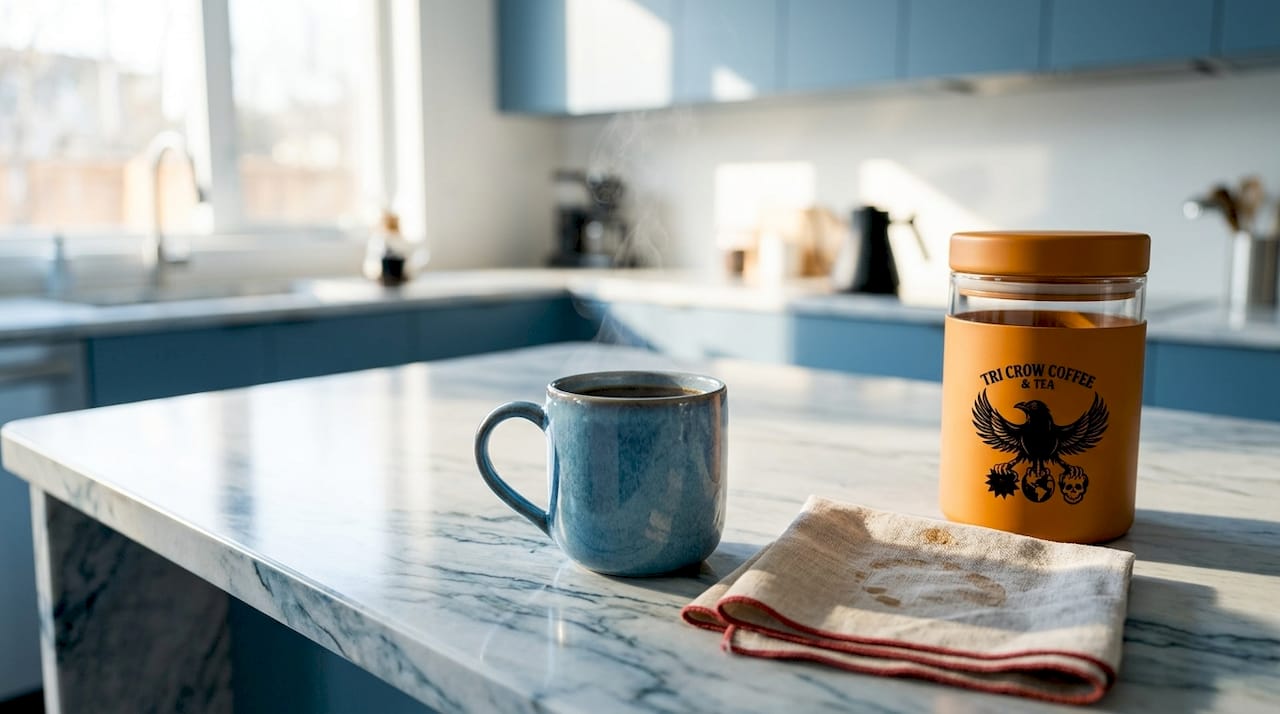
The flavor difference in small batch coffee is not subjective preference. It is chemistry. Volatile biomarkers correlate directly with roast adjustments and sensory attributes, meaning a roaster who can observe and modify the roast in real time produces a measurably more complex cup. Mass production removes that real-time feedback loop entirely.
Expert roasters describe this as “origin expression,” the ability to highlight the unique flavor characteristics of each individual coffee lot through tailored roast curves. A washed Ethiopian Yirgacheffe roasted in a 10-kilogram batch can express its natural jasmine and bergamot notes in ways that a 500-kilogram industrial drum simply cannot replicate. The roast profile is built around the bean, not around throughput targets.
“Small batch roasting allows roasters to treat each lot as its own subject, adjusting temperature curves to coax out the best the bean has to offer rather than forcing every origin into the same mold.”
Here is what that means practically for your cup:
- Clarity of flavor: Fewer beans roasting simultaneously means more even heat distribution and less risk of scorching or underdevelopment.
- Origin-specific profiles: Roasters can dial in different curves for a Kenyan AA versus a Guatemalan Huehuetenango without compromising either.
- Reduced defect masking: Large batches often blend away defects through sheer volume. Small batches surface them, forcing higher green bean selection standards.
Pro Tip: When buying small batch coffee, look for roasters who publish their roast date and origin notes. That transparency signals they are actually tailoring profiles rather than running a single default curve.
2. Why freshness is the defining advantage
Freshness is the single biggest factor separating memorable small batch coffee from mass-produced alternatives. FB Roasters roast in small batches specifically to catch the exact peak flavor moment before shipping, a practice that mass production schedules make structurally impossible.
The reason freshness matters so much comes down to aromatic compound retention. After roasting, coffee begins off-gassing CO2 and losing volatile aromatics. The faster coffee moves from roaster to grinder, the more of those compounds survive into your cup. Mass-produced coffee often sits on warehouse shelves and retail displays for weeks or months, steadily losing the volatile aromatics that define its character.
Small batch roasting solves this through production cadence. Because batches are small, roasters can afford to roast frequently and ship quickly. You can learn more about what coffee freshness means and why it affects every brewing method you use.
Key freshness advantages of small scale coffee roasting include:
- Shorter time from roast to consumer: Small batches ship within days of roasting, not weeks.
- Higher aromatic compound retention: Less storage time means more volatile compounds intact at brew time.
- Reduced staling risk: Smaller inventory means less chance of beans sitting past their prime before purchase.
- Better brewing results: Fresh coffee extracts more evenly, producing cleaner flavor and better crema in espresso.
3. What quality controls small batch roasting enables
Precision is the structural advantage of small scale coffee roasting. Smaller batch sizes allow roasters to carefully monitor temperature and time parameters at every stage, reducing defects and increasing batch-to-batch consistency. In a 500-kilogram industrial roaster, a single thermocouple reading represents an average across hundreds of kilograms of beans. In a 10-kilogram batch, that same reading is far more representative of what is actually happening.
Roasters working at small scale use detailed roast logs, tracking inlet temperature, bean temperature, rate of rise, and first crack timing for every single batch. This data builds a library of profiles that can be reproduced reliably or adjusted deliberately when a new crop arrives with different moisture content or density. The result is a consistency that feels artisanal but is actually grounded in data.
Here is how quality control differs between small batch and commercial production:
| Quality Factor | Small batch roasting | Commercial production |
|---|---|---|
| Temperature monitoring | Per-batch, real-time adjustment | Averaged across large drum volume |
| Defect detection | Identified and corrected per lot | Blended away or undetected |
| Roast profile flexibility | Tailored per origin and crop | Standardized for throughput |
| Batch reproducibility | High, supported by detailed logs | Variable, dependent on automation |
| Green bean selection | Selective, lot-by-lot | Volume-driven, less selective |
Pro Tip: Ask your roaster if they log rate of rise data. Roasters who track rate of rise are actively managing the roast chemistry, not just watching a timer.
4. How small batch coffee supports ethical sourcing
Small batch production and ethical sourcing are structurally linked. When you roast in limited quantities, you purchase green coffee in smaller lots, which means you can afford to be selective about origin, farm, and processing method. Selective purchasing nurtures farmer relationships and supports transparent supply chains in ways that commodity-scale buying cannot.
Large commercial roasters need consistent supply in enormous volumes. That requirement pushes them toward commodity markets and futures contracts, where price is the primary variable and farm-level relationships are irrelevant. Small batch roasters can work directly with specific farms, cooperatives, or importers who prioritize traceability and fair compensation.
The sustainability benefits extend to waste reduction as well. Less overproduction means fewer stale beans discarded, less energy spent roasting coffee that never reaches peak quality, and a smaller overall environmental footprint. Tri Crow Coffee’s approach to coffee processing and sustainability reflects this philosophy directly, treating each batch as a commitment rather than a transaction.
Ethical sourcing advantages tied to small batch production include:
- Direct trade relationships: Smaller purchase volumes make farm-direct sourcing financially viable.
- Traceability: Lot-specific purchasing means you can trace beans to a specific farm or cooperative.
- Reduced overproduction waste: Roasting to order eliminates the stale inventory problem endemic to mass production.
- Support for sustainable farming: Selective buying rewards farms that invest in quality and environmental practices.
5. Small batch coffee versus commercial coffee: key differences
The contrast between small batch and commercial coffee is not just about scale. It reflects fundamentally different priorities. Small batch artisan coffee preserves up to 40% more flavor compounds than commercial roasting, maintaining higher aroma clarity throughout the shelf life of the bag. That gap is the direct result of fresher beans, tailored roast profiles, and faster distribution.
Commercial coffee optimizes for shelf stability, price consistency, and volume. Those are legitimate business goals, but they come at the cost of the qualities that make coffee genuinely interesting. Understanding coffee bean types and flavor profiles makes the difference between these two approaches immediately apparent once you start tasting with intention.
| Factor | Small batch coffee | Commercial coffee |
|---|---|---|
| Flavor complexity | High, origin-specific | Blended, consistent but flat |
| Freshness at purchase | Days from roast | Weeks to months from roast |
| Roast profile | Tailored per lot | Standardized |
| Ethical sourcing | Selective, traceable | Commodity-driven |
| Price point | Higher | Lower |
| Availability | Limited, seasonal | Year-round, mass distribution |
The tradeoff is real: small batch coffee costs more and is less consistently available. For coffee enthusiasts who prioritize flavor and sourcing integrity over convenience, that tradeoff is straightforward. For casual drinkers, commercial coffee serves its purpose. The question is what you want from the cup.
Key takeaways
Small batch coffee delivers superior flavor, freshness, and ethical sourcing because roasting in limited quantities gives roasters direct control over every variable that determines cup quality.
| Point | Details |
|---|---|
| Flavor is measurably better | Volatile aromatic compounds are easier to optimize in small batches, producing more complex, origin-specific flavor. |
| Freshness drives the difference | Small batches ship days after roasting, preserving aromatic compounds that mass production loses to storage time. |
| Quality control is more precise | Per-batch temperature monitoring and roast logging reduce defects and improve batch-to-batch consistency. |
| Ethical sourcing is structurally enabled | Smaller purchase volumes make direct trade, traceability, and sustainable farm relationships financially viable. |
| The cost premium is justified | Higher price reflects fresher beans, tailored roasting, and traceable sourcing, not just branding. |
Why I think most coffee drinkers underestimate what they are missing
I have tasted a lot of coffee across a lot of contexts, and the gap between a well-executed small batch roast and a standard commercial bag is not subtle once you know what to look for. The aroma when you open the bag is the first tell. Fresh small batch coffee smells alive. Commercial coffee, even in a sealed bag, often smells like a memory of coffee.
What surprises most people is how much of that difference comes down to time, not skill. A talented commercial roaster can produce excellent coffee. But if that coffee sits in a warehouse for six weeks before reaching your grinder, the roaster’s skill becomes irrelevant. Small batch roasting solves a logistics problem as much as a craft problem.
The ethical sourcing dimension matters to me personally as well. Knowing that a roaster purchased a specific lot from a specific farm, paid a fair price, and roasted it within weeks of arrival changes the experience of drinking it. That is not sentimentality. It is the difference between a product and a practice.
The accessibility of small batch roasting is also expanding. Countertop roasting machines now offer fully automated roast profiles in small spaces, meaning more cafes and independent roasters can adopt this approach without major infrastructure investment. The barriers are coming down, and the quality argument has never been stronger.
— David
Taste what intentional roasting actually means
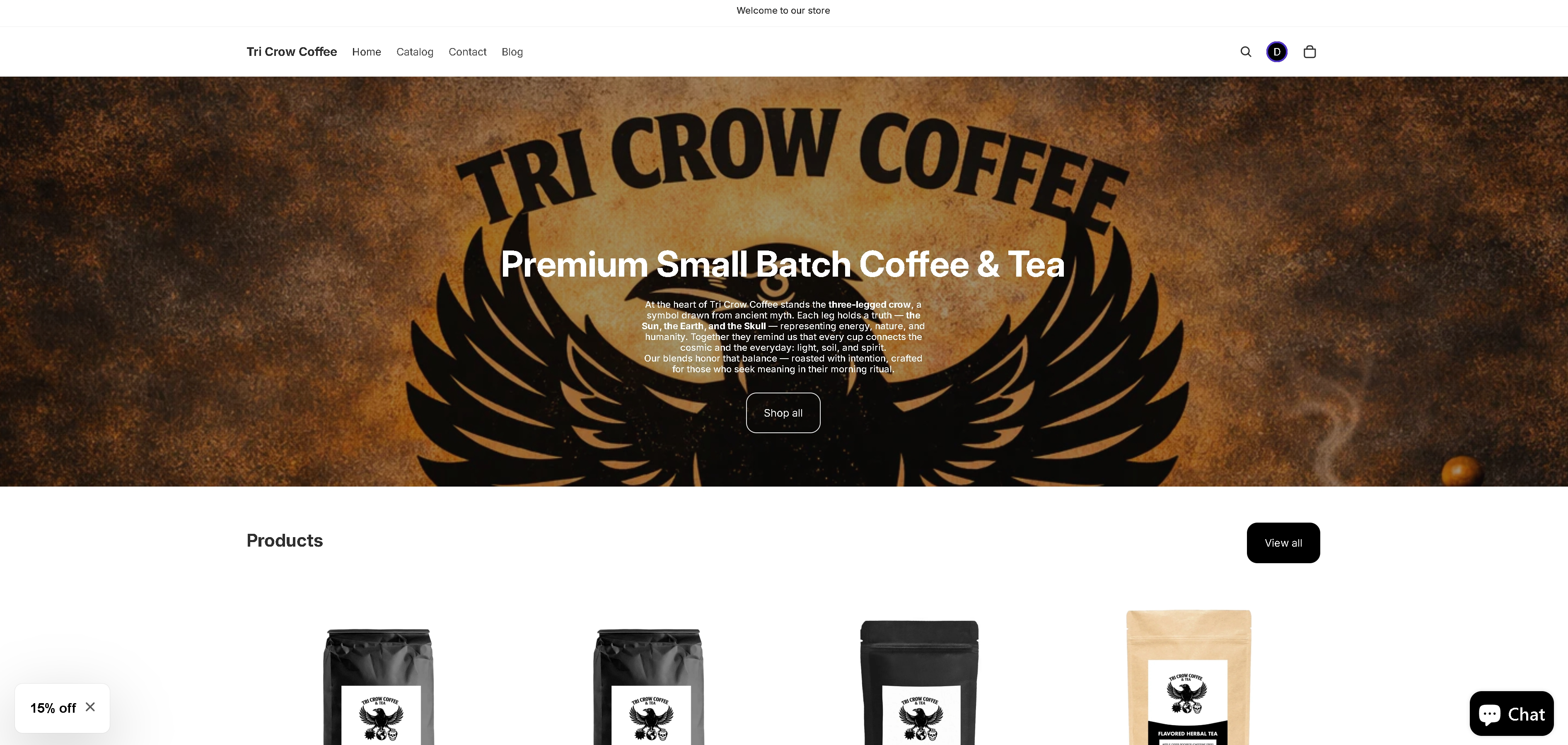
Tri Crow Coffee roasts every batch in limited quantities, sourcing beans from farms where traceability and quality are non-negotiable. Each roast is logged, profiled, and shipped fresh so that what reaches your grinder reflects the bean at its best, not its most convenient. If you want to experience the flavor clarity that small batch roasting produces, the single origin coffee beans collection is the clearest place to start. These are coffees roasted to express a specific origin, not to blend away its character. Explore the full range and taste the difference that intention makes.
FAQ
What is small batch roasting?
Small batch roasting is the practice of roasting coffee in limited quantities, typically under 15 kilograms per cycle, to allow real-time monitoring and adjustment of roast profiles. This approach preserves more volatile aromatic compounds and enables origin-specific flavor development.
Why does small batch coffee taste better?
Small batch coffee tastes better because roasters can tailor temperature curves to each individual lot, optimizing the development of flavor compounds like pyrazines and furans. Studies show small batch artisan coffee preserves significantly more flavor compounds than commercial roasting methods.
How does small batch coffee stay fresher?
Small batch production means roasters roast frequently and ship quickly, reducing the time between roast and grinder. Mass-produced coffee often sits in storage for weeks or months, losing the volatile aromatics that define its aroma and taste.
Is small batch coffee more ethically sourced?
Small batch roasters purchase green coffee in smaller, selective lots, which makes direct trade relationships and farm-level traceability financially viable. This structure supports sustainable farming practices and reduces overproduction waste compared to commodity-scale buying.
What should I look for when brewing small batch coffee?
Use the roast date on the bag and aim to brew within two to four weeks of that date for peak flavor. Grind fresh immediately before brewing, and match your grind size to your brew method for the cleanest extraction of the aromatic compounds small batch roasting preserves.
Recommended
- Why coffee processing matters: flavor, ethics, and sustainability – Tri Crow Coffee
- Why coffee origin matters: flavor, ethics, and sustainability – Tri Crow Coffee
- Whole bean coffee: unlock flavor, freshness, and ritual – Tri Crow Coffee
- How to select coffee beans for great home brewing flavor – Tri Crow Coffee