
Most people drink coffee because they love it. But with so many competing claims about what coffee actually does to your body, it’s worth knowing which benefits of drinking coffee are real and which are overstated. The short answer: quite a few of coffee’s positive effects are genuinely backed by rigorous research. From reduced heart failure risk to sharper cognition and stronger social bonds, the science supports drinking coffee daily when you do it thoughtfully. Here’s what the evidence actually shows.
Table of Contents
- Key Takeaways
- 1. Benefits of drinking coffee for your heart
- 2. Lower risk of type 2 diabetes
- 3. Reduced dementia and Alzheimer’s risk
- 4. Sharper focus and better short-term performance
- 5. Mood support and mental health benefits
- 6. Neuroprotective properties that compound over time
- 7. Why timing coffee to the morning amplifies benefits
- 8. Social and cultural connection
- 9. Brewing method shapes both flavor and health outcomes
- 10. Decaf is a genuinely valid option
- My take on what actually matters here
- Explore Tri Crow Coffee’s intentional blends
- FAQ
Key Takeaways
| Point | Details |
|---|---|
| Moderate intake is optimal | Drinking 1 to 4 cups daily captures the most protective health and cognitive benefits. |
| Morning timing matters most | Morning-only coffee drinkers show significantly lower cardiovascular mortality risk than all-day drinkers. |
| Polyphenols do the heavy lifting | Many health benefits come from bioactive compounds, not caffeine alone, making decaf a valid option. |
| Filtered brewing protects cholesterol | Paper-filtered coffee avoids the LDL-raising oils found in French press and other unfiltered methods. |
| Coffee is a social health tool | Daily coffee rituals support mood, mental wellness, and social connection beyond the biology. |
1. Benefits of drinking coffee for your heart
Your morning cup may be doing more for your cardiovascular system than you realize. Moderate coffee consumption of 2 to 4 cups per day is associated with a 7.5% lower risk of incident heart failure, based on a meta-analysis of over 656,000 participants. That’s not a minor footnote. That’s population-level evidence.
The benefit follows what researchers call a J-shaped dose-response curve. One to four cups per day represents the sweet spot, and the protective effect weakens as you push past six cups daily. More is not better here.
- Caffeinated and decaffeinated coffee both show cardiovascular benefits, suggesting the mechanism runs deeper than caffeine
- Polyphenols and chlorogenic acids likely play a central role in reducing inflammation and improving vascular function
- The J-shaped dose-response means the curve turns against you at very high volumes
Pro Tip: If you’re already drinking 3 to 4 cups a day and feel good, you’re probably in the optimal range for cardiovascular benefit. There’s no scientific reward for pushing to six or seven cups.
2. Lower risk of type 2 diabetes

Regular coffee drinkers consistently show lower rates of type 2 diabetes in large observational studies. Caffeine improves insulin sensitivity, but again, the polyphenols in both caffeinated and decaf coffee appear to contribute independently. This is one of the clearest examples of coffee advantages that extend well beyond the caffeine molecule.
The exact pathway is still being studied, but the pattern across diverse populations is hard to ignore. People who drink coffee regularly tend to have better glucose metabolism, and that connection holds across different ethnic groups, dietary habits, and brewing styles.
3. Reduced dementia and Alzheimer’s risk
This is where the cognitive research gets genuinely exciting. A prospective cohort study tracking over 131,000 individuals for up to 43 years found that higher caffeinated coffee intake was associated with a hazard ratio of 0.82 for dementia. In plain terms, regular coffee drinkers faced an 18% lower relative risk of developing dementia than non-drinkers.
Decaf did not show the same association, which suggests caffeine specifically plays a role here. That said, the bioactive compounds in coffee also reduce oxidative stress and neuroinflammation, two processes closely linked to Alzheimer’s progression. The protective effect is likely a combination of both.
Two to three cups daily appeared to be the most beneficial range. Going dramatically higher did not add more protection and introduced other risks.
4. Sharper focus and better short-term performance
Caffeine works by blocking adenosine receptors in the brain. Adenosine is the compound that makes you feel sleepy. When caffeine occupies those receptors, your brain stays in a more alert state and your reaction times, attention span, and working memory all improve measurably.
This is one of the most well-documented benefits of caffeine in performance research. Athletes, shift workers, and students have used this effect for decades, and the science backs it up consistently.
The catch is that your brain adapts over time. Regular coffee drinkers build tolerance, which means the dramatic alertness spike you feel in your first few weeks of drinking coffee becomes more subtle. You’re still benefiting, but mostly staying at your baseline rather than soaring above it.
5. Mood support and mental health benefits
Coffee and mental health have a real, measurable connection. Multiple large studies link regular coffee consumption to lower rates of depression, and the relationship appears to be dose-dependent up to a point. Caffeine stimulates dopamine pathways, which directly affects mood regulation and motivation.
The social and ritualistic dimension of coffee also matters more than most research papers credit. The act of making and drinking coffee, whether alone or with someone, creates a reliable moment of pause in the day. That predictable comfort has real psychological value.
For people dealing with mild depressive symptoms, regular moderate coffee consumption has been associated with a reduced risk of depression in women specifically, though the evidence across genders is growing. This is not a replacement for professional mental health care, but it’s a meaningful data point.
6. Neuroprotective properties that compound over time
Beyond dementia risk, coffee’s bioactive compounds appear to build protective effects in the brain over years of regular consumption. Caffeine and polyphenols work through pathways associated with reducing the buildup of amyloid plaques and tau tangles, two hallmarks of Alzheimer’s disease.
This is a long-game benefit. You won’t feel it after one cup, or even after one year. But the cohort data spanning four decades suggests that consistent moderate intake contributes to brain aging more gracefully. Think of it as a low-dose, daily investment in cognitive longevity rather than an acute drug effect.
Pair this with good sleep, exercise, and a varied diet, and coffee becomes one useful piece of a larger picture of brain health.
7. Why timing coffee to the morning amplifies benefits
Here’s an insight that most coffee conversations miss entirely. It’s not just how much you drink. It’s when you drink it.
Research using NHANES data from around 41,000 adults found that morning-only coffee drinkers had 31% lower odds of dying from cardiovascular disease compared to non-coffee drinkers. People who spread their coffee throughout the day showed no such benefit.
The leading explanation connects to circadian biology. Caffeine consumed late in the day disrupts the natural rise and fall of cortisol and melatonin, which destabilizes sleep quality and, over time, elevates cardiovascular risk. Here’s how to apply this practically:
- Drink your first cup 90 minutes after waking, when cortisol naturally begins to drop
- Finish your last cup before 2 p.m. to avoid interfering with your sleep onset
- Keep your daily total between 1 and 4 cups for the best risk-to-benefit ratio
- If you feel anxious or jittery before finishing a cup, your intake may already be too high
Pro Tip: Switching from an all-day coffee habit to morning-only feels restrictive at first. Give it two weeks. Most people sleep noticeably better and don’t miss the afternoon cups nearly as much as they expected to.
8. Social and cultural connection
About 66% of U.S. adults drank coffee in the past day, averaging 2.8 cups, according to the National Coffee Association’s Spring 2026 data. Coffee is the single most widely shared daily ritual in America.
That scale matters for health. The social dimension of coffee, meeting a friend for a cup, taking a break with a colleague, or sitting quietly at a cafe, creates moments of genuine human connection and mental decompression. These are not trivial effects. Loneliness and chronic stress are significant health risks on their own, and coffee rituals actively counter both.
Exploring different coffee drink varieties can also deepen this experience, giving you more ways to enjoy the ritual across different moods and settings.
9. Brewing method shapes both flavor and health outcomes
Not all coffee preparation is equal when it comes to your health profile. The method you use has real metabolic consequences.
| Brewing Method | LDL Cholesterol Impact | Bioactive Retention | Best For |
|---|---|---|---|
| Paper-filtered drip | Low risk | High | Daily health-conscious drinking |
| French press | Elevated risk | High | Occasional use, rich flavor |
| Espresso | Moderate risk | High | Small volumes, concentrated taste |
| Decaf (filtered) | Low risk | Moderate | Caffeine-sensitive drinkers |
| Cold brew (filtered) | Low risk | Moderate | Smooth taste, lower acidity |
Unfiltered brewing methods like French press allow coffee oils called diterpenes to pass directly into your cup. These oils raise LDL cholesterol over time. Paper filters trap most of them. This one change, switching from a press to a pour-over or drip machine, can meaningfully reduce a cholesterol risk you didn’t know you were taking on.
Bean freshness and roast level also affect the concentration of bioactive compounds. Lighter roasts retain more chlorogenic acids, while darker roasts develop different antioxidant profiles. Neither is universally superior. What matters most is freshness and how you brew.
10. Decaf is a genuinely valid option
If caffeine gives you anxiety, disrupts your sleep, or causes heart palpitations, decaffeinated coffee is not a consolation prize. It’s a legitimate choice with real benefits. Most metabolic protections from coffee, including reduced inflammation and improved cardiometabolic markers, appear to come from the polyphenols and bioactives rather than caffeine specifically.
The major exception is dementia risk, where the current evidence points specifically to caffeinated coffee. But for heart health, diabetes prevention, and antioxidant intake, decaf holds its own. If reducing caffeine crashes and sustaining even energy is a priority for you, a mix of caffeinated morning coffee and decaf in the afternoon is a smart, well-supported approach.
My take on what actually matters here
I’ve spent a lot of time reading through the research on coffee, and here’s what I keep coming back to: the question most people ask (“is coffee good for you?”) is less interesting than the question they should be asking, which is “am I drinking coffee in the way that actually captures the benefits?”
I think timing is wildly underrated. The morning-only cardiovascular finding surprised me the first time I read it. Most coffee culture is built around all-day access, afternoon lattes, post-dinner espresso. But the data suggests that behavior may be canceling out the very heart protections that coffee offers. I’ve shifted my own habit to morning-only and the sleep improvement alone made it worth it.
I also think people underestimate individual caffeine sensitivity. The ceiling for safe intake is often cited at 400 mg daily, roughly four standard cups. But I know people who feel anxious and dysregulated at 150 mg. The research supports this variance. If coffee makes you feel worse rather than better, the answer is not to push through it. It’s to pull back.
What I genuinely believe is the underappreciated benefit is the ritual itself. The ten minutes you spend making a cup of coffee before the day’s demands arrive is not nothing. It’s a daily anchor. That consistent moment of presence and intention, especially when the coffee is high quality and the process is deliberate, does something for your mental state that no supplement can replicate.
— David
Explore Tri Crow Coffee’s intentional blends
If this article has you thinking more carefully about what you’re drinking and why, Tri Crow Coffee was built for exactly that kind of drinker.
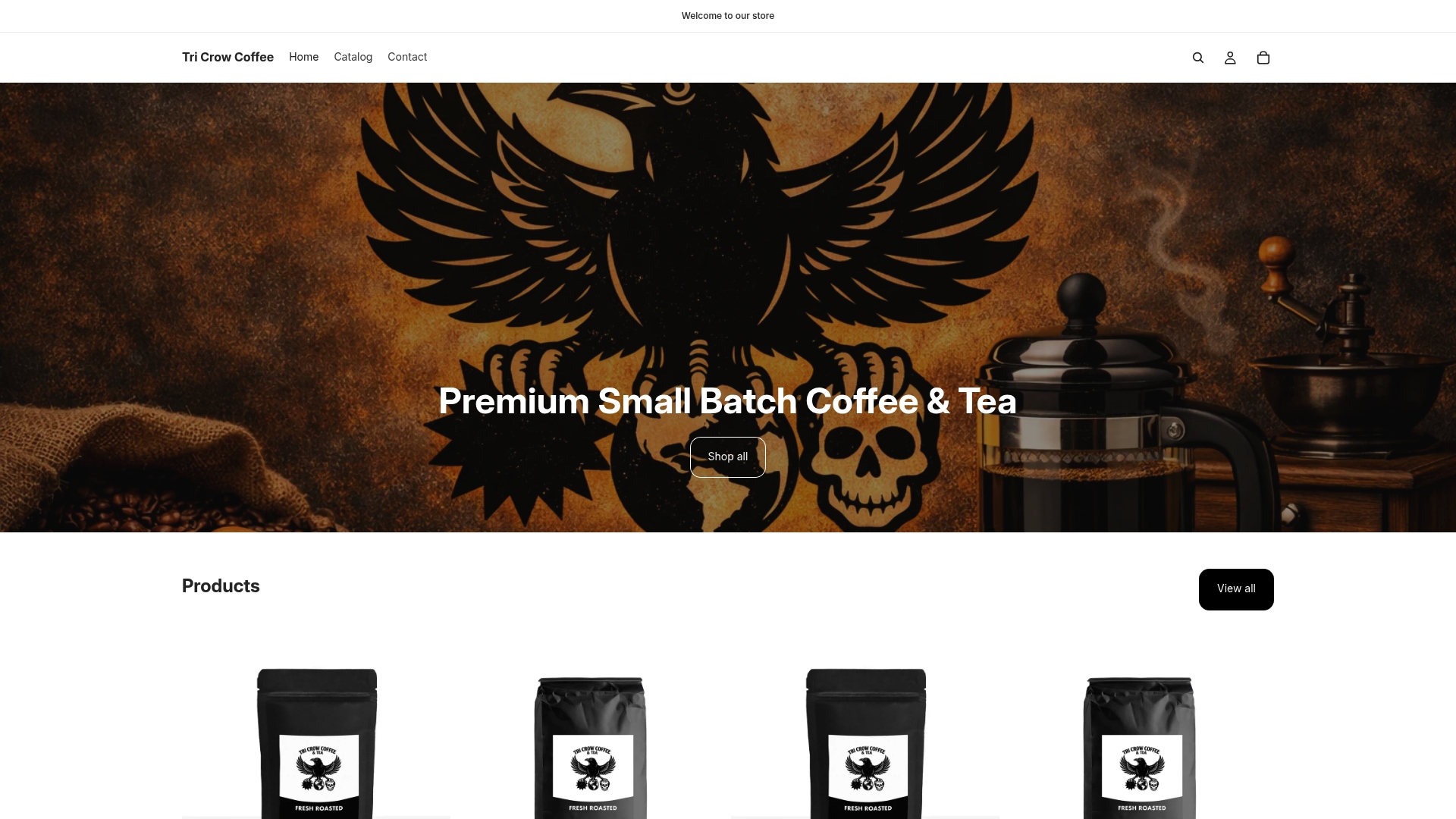
Tri Crow Coffee roasts in small batches to preserve the bioactive compounds and freshness that matter for both flavor and health. Their mushroom-infused medium roast pairs premium Arabica beans with functional mushrooms known for cognitive and immune support, making it one of the more thoughtfully designed options for health-conscious drinkers. If you prefer something bright and unexpected, the Mint Coffee blend offers a clean, invigorating cup with natural ingredients. For those who want a classic filtered daily driver, the Latin American Blend delivers balanced, well-sourced beans roasted with consistency in mind. Every Tri Crow product is crafted with the same principle: your daily cup should be worth drinking on purpose.
FAQ
How many cups of coffee per day is considered healthy?
Most research supports 1 to 4 cups per day as the optimal range, with cardiovascular and cognitive benefits peaking around 2 to 3 cups daily. Going beyond 4 to 6 cups begins to attenuate the protective effects.
Does decaf coffee have the same health benefits?
For most health outcomes, yes. Decaf coffee retains the polyphenols and bioactives responsible for cardiometabolic protection. The exception is dementia risk, where current evidence points specifically to caffeinated coffee.
Is it better to drink coffee only in the morning?
The evidence suggests yes. Morning-only drinkers showed 31% lower cardiovascular mortality odds compared to non-drinkers, while all-day drinkers showed no significant benefit, likely due to caffeine’s disruption of circadian rhythms and sleep quality.
What brewing method is healthiest?
Paper-filtered brewing is the healthiest option because it removes coffee oils that raise LDL cholesterol. French press and other unfiltered methods preserve more flavor but introduce diterpenes that affect lipid levels over time.
Can coffee help with mental health?
Regular moderate coffee intake is associated with lower rates of depression, and caffeine stimulates dopamine pathways that support mood. The social and ritual dimensions of coffee consumption also contribute meaningfully to daily mental wellbeing.
Recommended
- Maximize your energy: proven coffee benefits and smart rituals – Tri Crow Coffee
- Why trace your coffee? The real benefits of transparency – Tri Crow Coffee
- Whole bean coffee: unlock flavor, freshness, and ritual – Tri Crow Coffee
- Explore coffee drink varieties for a richer daily ritual – Tri Crow Coffee