
Most coffee lovers have felt it: that second cup that delivers nothing but jitters, or the afternoon crash that hits harder than expected. The gap between drinking coffee and drinking coffee well is wider than most people realize. Getting real, sustained energy from your morning brew isn’t just about caffeine quantity. It’s about bean quality, brewing method, timing, and understanding how your body actually responds to what’s in the cup. This guide breaks down the science, the strategy, and the rituals that turn a daily habit into a genuine energy advantage.
Table of Contents
-
How much, when, and how: maximizing energy without the crash
-
Special considerations: tolerance, genetics, and side effects
Key Takeaways
| Point | Details |
|---|---|
| Science-backed energy | Coffee blocks drowsiness while boosting alertness and focus through caffeine and polyphenols. |
| Quality and ritual matter | Choosing quality beans and filtered methods enhances the energizing effects and reduces side effects. |
| Mind your timing | Morning coffee with a meal maximizes benefits and limits energy crashes. |
| Tolerance and personal needs | Adjust intake for genetics and avoid late-day cups to prevent sleep disruption and crashes. |
How coffee really boosts your energy
Before diving into brewing methods or types of beans, it’s crucial to understand exactly how and why coffee fuels your energy throughout the day.
Caffeine is the most studied psychoactive compound in the world, and its primary mechanism is surprisingly straightforward. Your brain naturally produces a molecule called adenosine, which accumulates throughout the day and signals fatigue. Caffeine works by blocking adenosine receptors, preventing drowsiness and simultaneously increasing dopamine and norepinephrine for sharper focus and enhanced energy. The result isn’t manufactured energy. It’s the removal of the chemical signal telling your brain to slow down.
But caffeine doesn’t work alone. Coffee contains hundreds of bioactive compounds, including polyphenols and chlorogenic acids, that influence mood and cognition independently of caffeine. This is why even decaf can feel mentally clarifying. The full-spectrum chemistry of a well-roasted, quality bean does things that a caffeine pill simply cannot replicate.
Research confirms this distinction. Empirical studies show that coffee and caffeine improve cognitive performance, muscular strength, endurance, and positive affect, especially in the morning when adenosine levels are naturally lower and caffeine’s blocking effect is most pronounced.
Here’s the sequence of what happens after your first sip:
-
Caffeine absorbs rapidly through the stomach lining and enters the bloodstream within 15 to 45 minutes.
-
It crosses the blood-brain barrier and binds to adenosine receptors, halting the drowsiness signal.
-
Dopamine and norepinephrine levels rise, sharpening focus and elevating mood.
-
Adrenaline increases slightly, heightening alertness and physical readiness.
-
Peak blood concentration occurs around 30 to 60 minutes post-consumption, delivering the strongest energy window.
-
Effects taper gradually over 4 to 6 hours, depending on individual metabolism.
“The difference between coffee and isolated caffeine is significant. Coffee’s polyphenols, antioxidants, and natural compounds create a synergistic effect that pure caffeine supplements simply don’t replicate. For sustained cognitive energy, whole coffee is the superior vehicle.” — Nutritional science consensus on whole-food vs. isolated compounds
Understanding this sequence helps you plan your intake strategically rather than just reaching for another cup when fatigue sets in.
Choosing the right type of coffee for optimal energy
Now that you know how coffee energizes your body and mind, let’s talk about which types and methods give you the most reliable boost.
Bean quality is the foundation of everything. Organic and single-origin beans are grown without synthetic pesticides and typically offer more complex flavor profiles and higher concentrations of beneficial polyphenols. Robusta beans contain nearly twice the caffeine of Arabica, making them a popular choice for high-energy blends. Arabica, however, tends to deliver a cleaner, smoother energy without the harsh bitterness that can trigger stomach discomfort and jitteriness. Sustainably sourced beans, beyond their ethical value, are often fresher and more carefully processed, which translates directly into a better cup.
Brewing method matters more than most people expect. Paper-filtered brewing is consistently recommended for sustainable energy rituals because it removes cafestol and kahweol, compounds found in unfiltered coffee that can raise LDL cholesterol and contribute to digestive instability. A steadier digestive response means steadier energy absorption.
Preferred brewing methods for energy, ranked by consistency and quality:
-
Pour-over: Precise extraction, clean cup, polyphenol-rich, ideal for morning ritual
-
Drip filter: Reliable, paper-filtered, great for daily consistency
-
Espresso: Concentrated caffeine in a small volume, fast-acting, lower total volume per serving
-
Cold brew: Smooth, low-acid, convenient, slightly higher caffeine per ounce than drip
-
Instant coffee: Fastest preparation, variable quality, but premium instant options close the gap significantly
-
Mushroom coffee blends: Functional adaptogens combined with coffee for balanced, extended energy without the sharp spike
Cold brew and instant options are popular for their convenience, but the key variable is always the quality of the base coffee. A premium instant made from single-origin beans will outperform a cheap drip every time.
Pro Tip: Pair your morning coffee with a protein-rich breakfast, such as eggs, Greek yogurt, or nut butter on whole grain toast. Protein slows caffeine absorption slightly, smoothing out the energy curve and dramatically reducing the likelihood of jitters or a mid-morning crash.
How much, when, and how: maximizing energy without the crash
With your brewing method and beans selected, it’s time to structure your coffee habits to lock in energy and dodge common pitfalls.
The amount and timing of your coffee intake can mean the difference between hours of focused productivity and a frustrating cycle of spikes and crashes. Research is clear that 3 to 4 cups per day, staying at or below 400mg of caffeine, consumed in the morning after waking and with food, offers the most reliable energy without jitters or crash. Going beyond that threshold produces diminishing returns and increases the risk of anxiety, heart palpitations, and disrupted sleep.
Here’s how coffee compares to other common energy sources:
| Source | Caffeine per serving | Crash risk | Added sugars | Beneficial compounds |
|---|---|---|---|---|
| Filtered coffee | 80 to 120mg | Low | None | Polyphenols, antioxidants |
| Espresso | 60 to 75mg | Low to moderate | None | Concentrated antioxidants |
| Energy drink | 80 to 150mg | High | Often 25 to 50g | Minimal |
| Pure caffeine pill | 100 to 200mg | Moderate to high | None | None |
| Cold brew coffee | 100 to 200mg | Low to moderate | None | Polyphenols |
Coffee consistently outperforms energy drinks for daily use because of its natural compound profile. Energy drinks rely heavily on added sugars and synthetic stimulants that spike blood glucose and set up a harder crash. Coffee, especially filtered and quality-sourced, delivers caffeine alongside compounds that buffer the stimulant effect.

One critical factor is tolerance. Regular caffeine use builds tolerance through increased adenosine receptor production, which reduces the perceived effect over time. The crash you feel when caffeine clears isn’t just fatigue returning. It’s an adenosine rebound, where all that accumulated adenosine floods the now-unblocked receptors at once. This is why strategic spacing matters.
A practical daily routine for optimal energy:
-
Wait 90 minutes after waking before your first cup. Cortisol peaks naturally right after waking, so delaying coffee lets your body use its own alertness mechanism first.
-
Have your first cup with breakfast, ideally with protein, between 8:00 and 10:00 AM.
-
Space your second cup at least 2 hours after the first to maintain receptor sensitivity.
-
Stop caffeine intake by 2:00 PM to protect sleep quality. Caffeine has a half-life of about 5 to 6 hours, meaning a 3:00 PM cup still has significant caffeine in your system at 9:00 PM.
-
Consider a rest day or reduced intake once a week to reset tolerance and restore sensitivity.
Pro Tip: If you notice tolerance building, try rotating your brewing method rather than increasing your dose. Switching between maximum daily coffee options, like alternating between a standard roast and a mushroom-infused blend, can provide variety in the compound profile your body receives, which may help maintain sensitivity without escalating caffeine.
Special considerations: tolerance, genetics, and side effects
But how do these energy-boosting routines adapt for people with special circumstances, like higher sensitivity, pregnancy, or a desire for less caffeine?
Not everyone metabolizes caffeine the same way. Genetics play a significant role. The CYP1A2 gene controls how quickly your liver processes caffeine. Slow metabolizers with CYP1A2 variants experience heightened sensitivity, increased jitteriness, and longer-lasting effects from even a single cup. Fast metabolizers, on the other hand, may clear caffeine so quickly that they feel minimal benefit from a standard dose. Understanding which category you fall into helps you calibrate your intake far more effectively than any generic recommendation.
Here’s how different circumstances affect your optimal coffee routine:
| Profile | Recommended daily intake | Timing | Special notes |
|---|---|---|---|
| Healthy adult, fast metabolizer | 3 to 4 cups | Morning and early afternoon | Standard guidelines apply |
| Healthy adult, slow metabolizer | 1 to 2 cups | Morning only | Watch for anxiety and sleep disruption |
| Pregnant individuals | Less than 200mg per day | Morning, with food | Consult healthcare provider |
| Older adults (65+) | 1 to 2 cups | Morning | Increased sensitivity common |
| High anxiety or stress | 1 cup or switch to decaf | Morning only | Monitor mood and heart rate |
| Athletes pre-workout | 1 to 2 cups | 30 to 60 minutes before activity | Timing for peak performance window |
Decaf is a genuinely underrated option for those who want the ritual and many of the benefits without overstimulation. Non-caffeine compounds like polyphenols continue to support mood and cognition even without caffeine, making decaf a smart choice for afternoon enjoyment or for those with high sensitivity.
Who should cut back or reconsider their intake:
-
Pregnant individuals: Excess caffeine is linked to low birth weight and developmental concerns.
-
Children and adolescents: Developing nervous systems are disproportionately affected by stimulants.
-
People with anxiety disorders: Caffeine amplifies cortisol and can worsen symptoms significantly.
-
Those with heart arrhythmias: Caffeine’s effect on heart rate can be problematic for certain conditions.
-
Slow metabolizers who experience chronic jitteriness or insomnia: Reducing intake or switching to decaf is more effective than pushing through.
Who can optimize their intake for peak energy:
-
Healthy adults with no sensitivity issues who time their intake strategically.
-
Athletes using caffeine as a performance tool in the pre-workout window.
-
Those who pair quality beans with filtered brewing and protein-rich meals.
Why smart coffee rituals matter more than raw caffeine
Here’s a frank perspective for coffee enthusiasts seeking real, lasting energy benefits: the obsession with caffeine milligrams is missing the point entirely.
We’ve watched the coffee culture shift toward “strongest possible” as a badge of honor. Maximum caffeine, double shots, energy-drink-level doses. And consistently, the people chasing the highest number are the ones reporting the worst crashes, the most anxiety, and the least sustainable energy across their day. The number on the label is not the goal. The experience of your day is the goal.
The most energized, focused coffee drinkers we encounter are not the ones drinking the most caffeine. They’re the ones who’ve built a ritual around quality. They choose single-origin beans with intention. They use filtered brewing because they understand what it does for their body. They stop at 2:00 PM not because someone told them to, but because they’ve learned how their sleep quality directly affects the energy they have the next morning.
Mushroom coffee for balanced energy is a perfect example of this shift in thinking. Functional mushrooms like lion’s mane and chaga bring adaptogenic compounds that support sustained cognitive energy and stress resilience. Combined with quality coffee, the result is often smoother and longer-lasting than a high-caffeine bomb. Not because there’s more caffeine, but because the compound profile works with your biology instead of overwhelming it.
The ritual itself matters too. Brewing with intention, choosing your cup, taking that first sip without a screen in front of you. These aren’t soft lifestyle suggestions. They’re neurological anchors that signal your brain to shift into a focused, alert state. Ritual creates context, and context shapes how your brain interprets stimulation. A rushed, anxious cup of cheap coffee delivers a very different energy than a mindfully prepared, high-quality brew. Same caffeine, completely different experience.
True energy comes from the intersection of quality, timing, and personalization. Not from the highest dose you can tolerate.
Elevate your coffee ritual with Tri Crow specialty blends
Ready to put these energy-maximizing strategies to work with beans and blends actually built for the purpose?
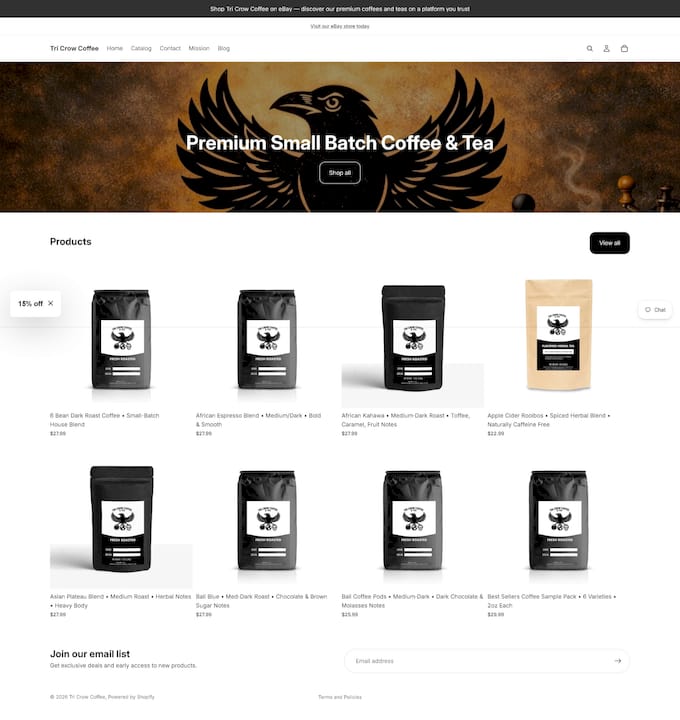
At Tri Crow Coffee, every blend is crafted in small batches from sustainably sourced, ethically partnered beans, designed to deliver the kind of smooth, sustained energy that a thoughtful ritual deserves. Whether you’re looking for the focused lift of our high-caffeine Max Caf blend, the adaptogenic balance of our coffee with mushrooms, or the everyday ease of our convenient instant coffees, there’s a Tri Crow option built for your lifestyle and energy goals. Each cup is a ritual, not just a beverage.
Frequently asked questions
How much coffee should I drink for energy without side effects?
Most adults get optimal benefits with 3 to 4 cups per day or up to 400mg of caffeine, consumed in the morning with food for the steadiest results.
Why is filtered coffee recommended for energy?
Paper-filtered brewing removes compounds that can disrupt digestion and cholesterol, resulting in a cleaner caffeine release with fewer jitters and more consistent energy.
Is coffee better than energy drinks for staying energized?
Coffee delivers antioxidants and polyphenols that support steady, sustained energy, while energy drinks carry higher crash risk due to added sugars and synthetic stimulants that spike and drop blood glucose.
Can decaf coffee provide energy benefits?
Yes. Non-caffeine polyphenols in decaf still support mood and cognitive function, making it a solid option for those who want the ritual and mental clarity without the stimulant load.
Who should limit their coffee intake for energy?
Pregnant individuals, children, those with anxiety disorders, and CYP1A2 slow metabolizers with high caffeine sensitivity should reduce intake or switch to decaf to avoid negative health effects.